Adaptive Interface Innovations Reshaping Bonus Customization in Live Gaming and Betting Markets
Written by Wendy Berger · Jun 30, 2026
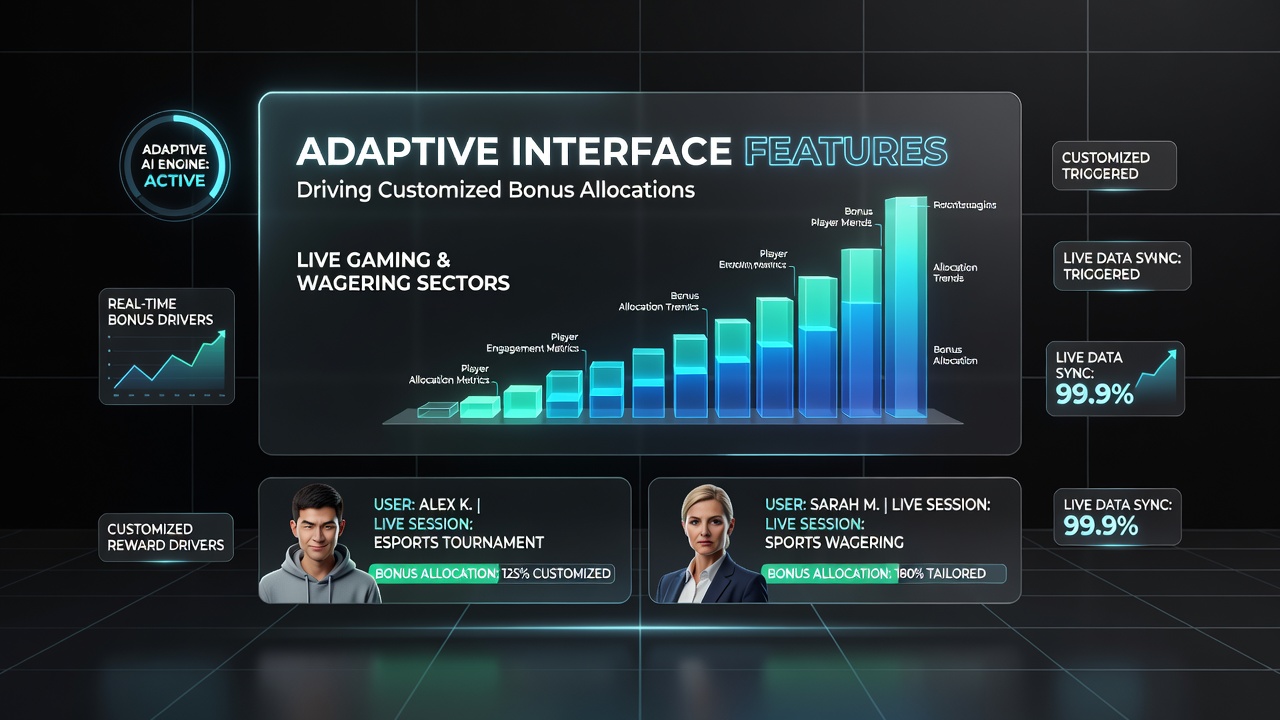
Adaptive Interface Innovations Reshaping Bonus Customization in Live Gaming and Betting Markets
Adaptive interfaces in live gaming platforms rely on real-time data analysis to adjust bonus structures based on individual player behavior patterns, session duration, and game preferences, while similar mechanisms extend into sports wagering environments where odds and promotional offers shift according to betting history and market movements.
These systems collect inputs from user interactions such as click rates, time spent on specific tables, and deposit frequency, then apply algorithms that modify reward allocations without manual intervention from operators, and observers note that this process creates seamless experiences across devices.
Core Mechanisms Behind Adaptive Bonus Systems
Developers integrate machine learning models that process signals from live sessions in games like blackjack and roulette, allowing the interface to present tailored multipliers or free spin offers at moments when engagement metrics peak, and data from industry reports shows these adjustments often occur within seconds of behavioral triggers.
Payment method preferences also feed into the customization loop because certain deposit routes trigger higher allocation tiers, whereas slower methods receive standard rewards, yet the interface maintains consistency so players encounter offers aligned with their established habits rather than generic promotions.
Applications in Live Dealer Environments
Live casino operators deploy these features during streamed dealer interactions where the interface overlays personalized bonus prompts on the video feed, such as instant cashback percentages that scale with consecutive hands played, and researchers at institutions tracking gaming technology have documented how this increases session continuity without disrupting the flow of play.
One documented case involves platforms adjusting loyalty point accrual rates mid-session based on table stakes selected, which means high-volume participants receive accelerated rewards while casual users see offers suited to lower entry points, and this segmentation happens automatically through the adaptive layer.
Extensions into Sports Wagering Platforms
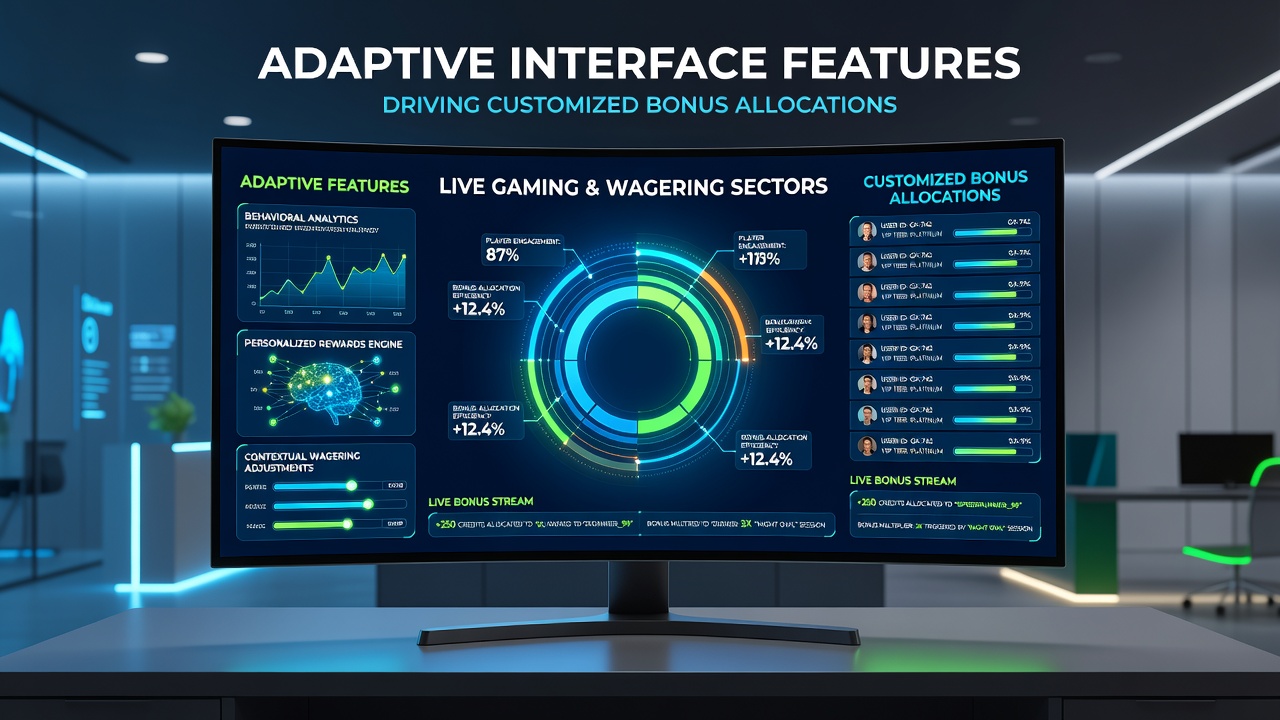
In sports betting applications the same principles govern in-play adjustments where interface elements highlight bonus boosts on specific markets according to a user's past wager categories, and figures from the American Gaming Association indicate rising adoption of such tools across North American operators seeking to differentiate their offerings.
Cross-platform continuity allows a player who deposits via e-wallet on mobile to carry forward customized bonus eligibility into desktop sessions, while the system tracks cumulative activity to escalate reward tiers progressively, and this linkage reduces friction across multiple access points.
Regulatory and Technical Considerations in 2026
Updates scheduled around June 2026 include enhanced requirements for transparency in how adaptive algorithms determine bonus values, prompting operators to display explanatory notes within the interface itself, and compliance teams now integrate audit logs that record each personalization decision for review by oversight bodies.
Technical standards emphasize secure data handling protocols so that player profiles remain protected even as interfaces adapt offers dynamically, and entities like the European Gaming and Betting Association have published guidelines that address these evolving capabilities across member jurisdictions.
Conclusion
Adaptive interface features continue to drive customized bonus allocations by linking behavioral data directly to reward mechanics in both live gaming and wagering sectors, while ongoing refinements ensure these systems align with regulatory expectations and technical reliability standards.