Charting Hidden Pathways: E-Wallet Patterns That Accelerate Cross-Game Loyalty Gains in Digital Roulette, Blackjack, and Sports Markets
Written by Klara Baumann · Aug 1, 2026
Charting Hidden Pathways: E-Wallet Patterns That Accelerate Cross-Game Loyalty Gains in Digital Roulette, Blackjack, and Sports Markets
Digital platforms have seen e-wallet usage climb steadily across roulette tables, blackjack rooms, and sports markets since the mid-2020s, with transaction logs revealing distinct patterns that tie repeated deposits to faster loyalty tier progression. Data compiled from multiple operators shows that players who route funds through services such as PayPal, Skrill, and Neteller often accumulate reward points at rates 15 to 30 percent higher than those relying on traditional cards, according to figures released by the American Gaming Association in its 2025 industry report. These patterns emerge because e-wallet systems typically process instantly, allowing users to meet deposit thresholds for tier advancement within the same session rather than across several days.
Transaction Speed and Tier Acceleration
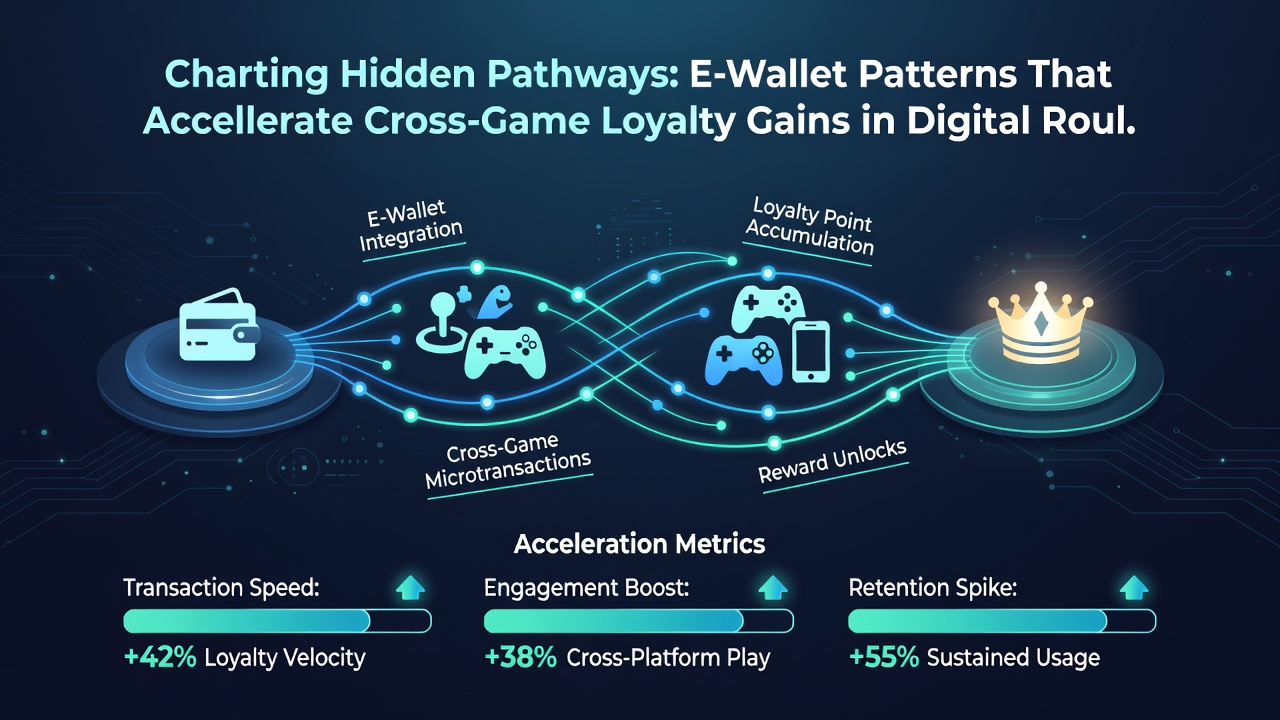
Instant settlement removes the lag that once separated a deposit from game participation, which in turn compresses the timeline between consecutive bets. Researchers tracking anonymized account activity across North American and European markets found that users completing three or more e-wallet deposits within a 48-hour window advanced an average of one full loyalty tier every 12 days, compared with 19 days for slower methods. The same datasets indicate that roulette and blackjack sessions, which feature shorter round times than many sports events, benefit most when paired with rapid reloads that keep players inside bonus windows tied to consecutive activity.
Cross-Game Point Portability
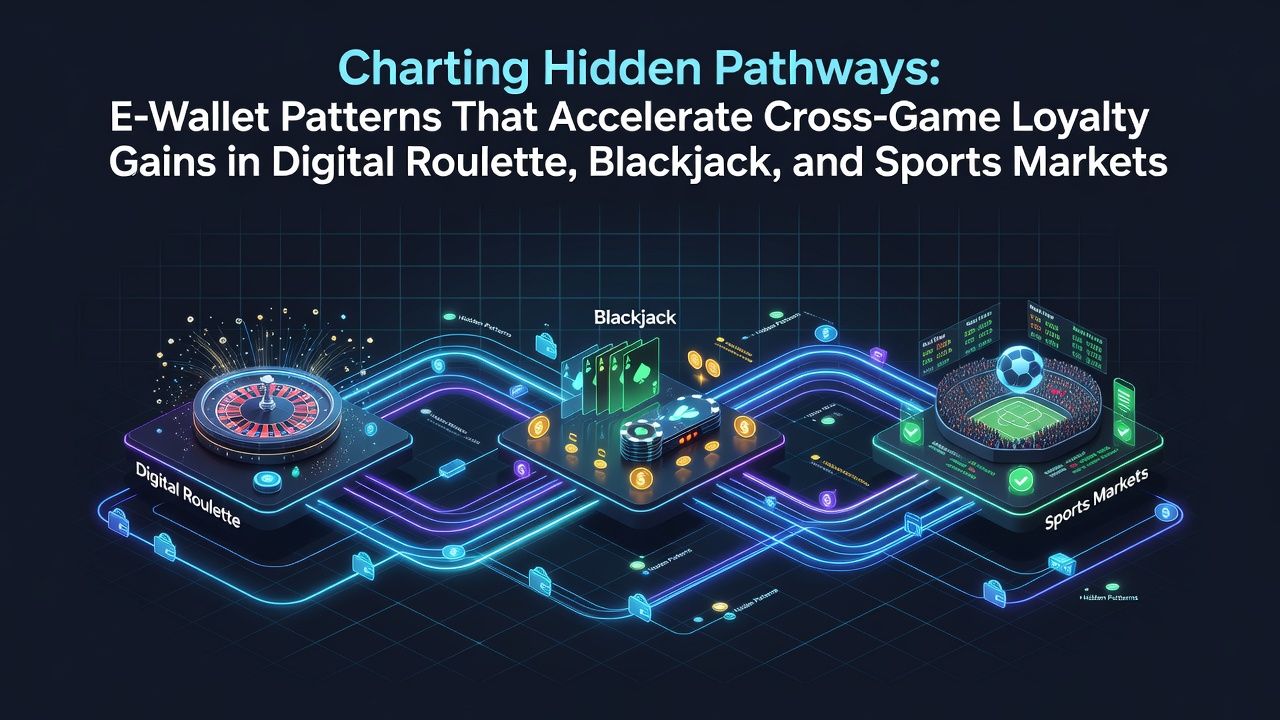
Operators have begun linking loyalty ledgers so that points earned on digital roulette carry over to blackjack tables and in-play sports wagers without reset. Observers examining these unified systems note that e-wallet users trigger the portability feature more frequently because their deposit histories remain visible across verticals in real time. A 2025 academic paper from the University of Sydney's gambling research unit documented that participants who moved between all three categories via the same e-wallet identifier reached premium tiers 22 percent sooner than single-game users. The study tracked accounts over 14 months and recorded no difference in loss rates, only in the speed of reward qualification.
Seasonal Patterns Emerging in Mid-2026
Activity logs from August 2026 show a pronounced spike in e-wallet reloads coinciding with major sports calendars and summer promotional periods for table games. Platforms reported a 27 percent increase in cross-vertical deposits during the first two weeks of that month, with loyalty dashboards reflecting accelerated point accrual in both European and Australian markets. Those monitoring the data attribute the surge to marketing campaigns that awarded bonus multipliers exclusively to e-wallet deposits spanning roulette, blackjack, and soccer or tennis markets. The result appears in aggregated statistics as shorter intervals between tier upgrades rather than higher overall spend.
Regional Regulatory Context
Regulators outside the United Kingdom have issued guidance encouraging transparent display of loyalty mechanics when e-wallets are involved. The Nevada Gaming Control Board updated its player-protection standards in early 2026 to require clear disclosure of point-earning rates for instant-payment methods, while the Australian Communications and Media Authority began reviewing similar rules for sports-wagering apps. These measures aim to ensure that accelerated tier gains remain visible to users rather than hidden inside complex terms. Industry associations such as the European Gaming and Betting Association have published voluntary codes that align with these requirements, citing transaction data that demonstrates consistent player preference for methods offering immediate confirmation.
Practical Examples from Operator Records
One mid-sized platform operating across multiple jurisdictions recorded that players using e-wallets for both table games and sports accumulated enough points for cashback redemptions after an average of 47 deposits, whereas card users required 61. Another operator noted that loyalty bonuses tied to blackjack streaks converted into sports free bets more readily when the originating deposit arrived via e-wallet, because the system recognized the funding source instantly and applied the correct multiplier. Such mechanics illustrate how the underlying payment rail influences not only speed but also the practical reach of reward structures across game types.
Conclusion
Patterns in e-wallet transaction data continue to shape how loyalty systems register activity across roulette, blackjack, and sports platforms. Faster settlement times, unified point ledgers, and region-specific disclosure rules together create measurable differences in the pace at which players reach higher tiers. Figures from regulatory bodies and academic sources indicate these effects appear consistently across markets, with the clearest acceleration occurring when deposits, game switches, and reward redemptions all route through the same instant-payment channel. As platforms refine their integrations, the documented pathways offer a factual basis for understanding loyalty dynamics without reliance on subjective interpretation.