Charting Incentive Routes Across Payment Options in Mobile Entertainment and Wagering Platforms
Written by Mara Coleman · Aug 4, 2026
Charting Incentive Routes Across Payment Options in Mobile Entertainment and Wagering Platforms
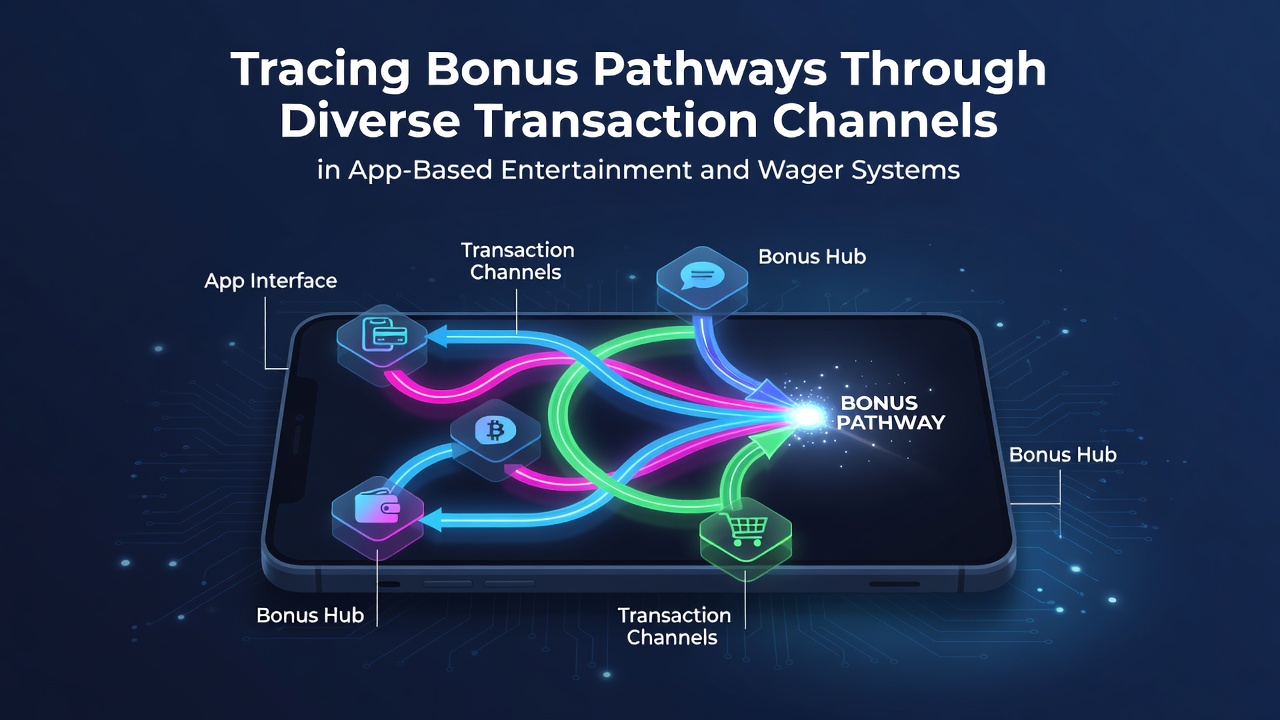
App-based entertainment and wager systems rely on multiple transaction channels to process deposits and activate incentives, and observers note that tracing these pathways requires attention to platform rules and payment provider policies. Data from industry reports indicate that users select methods such as credit cards, digital wallets, and instant bank transfers, each carrying distinct eligibility criteria for rewards. Researchers at academic institutions have documented how these choices influence the speed at which bonuses credit to accounts and the conditions attached to them.
Payment Channel Structures and Their Impact on Incentives
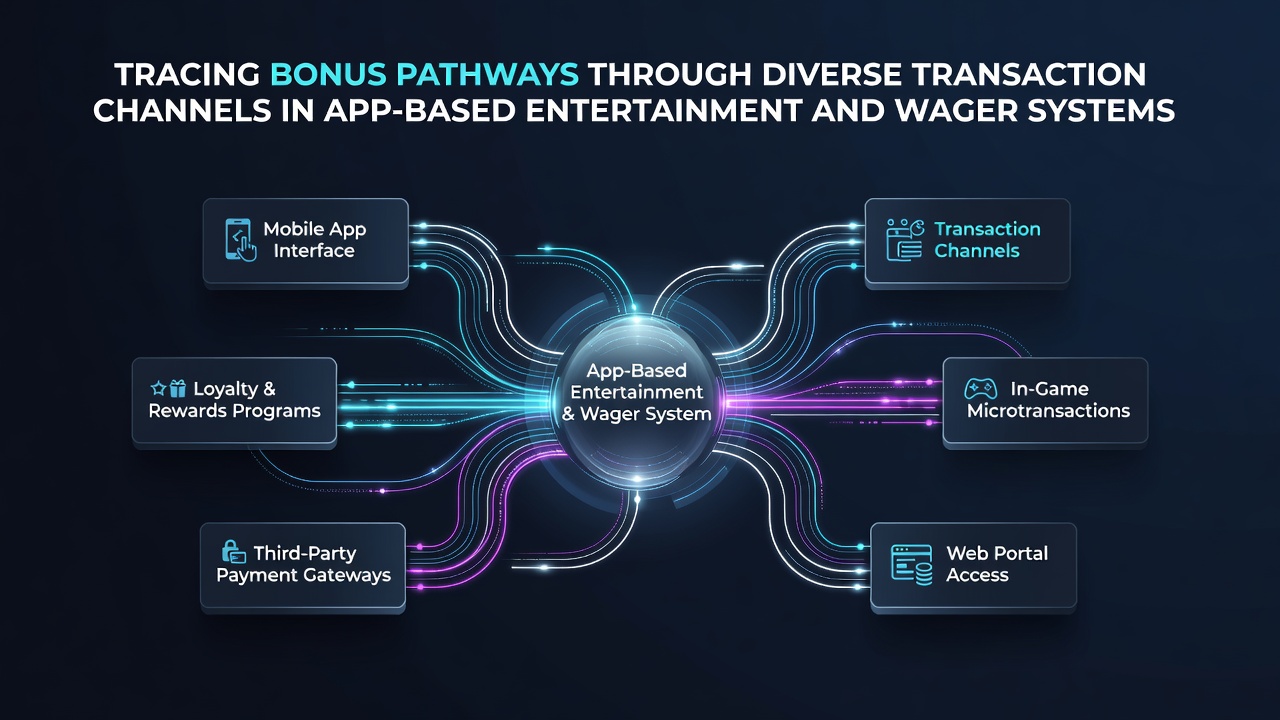
Transaction methods differ in processing times and verification steps, which directly affects how platforms allocate bonuses. Credit and debit cards often involve standard authorization checks that delay reward activation by several hours, whereas e-wallet services complete transfers in seconds and frequently unlock instant matching offers. Studies from the American Gaming Association reveal that mobile billing options tied to phone carriers account for a growing share of deposits in certain regions, yet they trigger fewer promotional pathways because of higher processing fees passed on to operators. Observers have observed that bank transfer methods provide higher deposit limits but require additional documentation, which can postpone bonus eligibility until funds clear.
Those who analyze user behavior patterns find that platforms apply tiered reward structures based on channel type, with some applications restricting percentage matches to specific providers. For instance, one documented case showed a mobile platform limiting a 100 percent deposit bonus to e-wallet users while offering only free spins to card depositors. This differentiation stems from cost structures and risk assessments that operators build into their systems.
Tracking Mechanisms and Data Integration
Modern platforms integrate tracking software that logs every deposit route and links it to user accounts in real time. These systems record timestamps, amounts, and payment identifiers to ensure compliance with bonus terms. Evidence from regulatory filings shows that accurate tracing prevents abuse such as multiple account creation or method cycling, and it allows operators to enforce wagering requirements tied to each channel. As of August 2026, updates in several jurisdictions have mandated enhanced reporting on incentive distribution across payment types, requiring operators to submit aggregated data on which channels generate the highest bonus redemptions.
People who manage these platforms describe the process as a series of interconnected logs where each transaction receives a unique identifier. When a deposit arrives through a digital wallet, the system automatically applies any associated multiplier and updates the user's progress toward playthrough thresholds. Card-based deposits, by contrast, pass through additional fraud filters that can temporarily hold the bonus portion until verification completes.
Regional Variations in Channel Preferences
Geographic differences shape which transaction routes dominate bonus activity. In North American markets, reports from state gaming authorities highlight strong usage of card payments paired with loyalty multipliers, while European platforms show higher adoption of e-wallets that carry separate cashback incentives. Australian research institutions have published findings indicating that instant bank apps now represent over 30 percent of deposits in licensed mobile wagering applications, leading operators to create dedicated bonus tiers for those methods. These variations arise from local banking infrastructure and consumer trust levels rather than uniform global standards.
One study examined how cross-border users navigate restrictions, noting that travelers often switch channels mid-session when a preferred method becomes unavailable due to regional licensing rules. Such switches require the tracking system to recalculate eligibility and may reset certain bonus clocks, creating additional layers of complexity for both users and administrators.
Technical Integration Challenges
Integrating diverse channels into a single bonus framework demands robust APIs and compliance checks. Operators must reconcile data from multiple payment gateways while maintaining audit trails that satisfy oversight bodies. Figures from industry associations demonstrate that platforms investing in unified tracking reduce dispute rates by measurable margins, since users receive clear records of which deposits triggered which rewards. Yet challenges persist when new payment technologies emerge, requiring rapid updates to eligibility algorithms.
Those who oversee these systems emphasize the need for real-time reconciliation to avoid over-allocation of incentives. When a transaction fails partway through, the platform must reverse any provisional bonus credits without affecting unrelated account activity. This precision relies on timestamp synchronization across all connected services.
Conclusion
Tracing bonus pathways through varied transaction channels in app-based systems involves coordinated data management, regulatory adherence, and ongoing adaptation to new payment technologies. Reports from organizations such as the European Gaming and Betting Association provide benchmarks for how different regions structure these processes, and continued monitoring will reveal further refinements as mobile platforms expand their offerings. The interplay between channel selection and incentive activation remains a core operational focus for operators seeking to maintain transparent and efficient reward distribution.