Encrypted Payment Channels Drive Shifts in Tiered Rewards Across Hybrid Gaming Platforms
Written by Klara Baumann · Aug 22, 2026
Encrypted Payment Channels Drive Shifts in Tiered Rewards Across Hybrid Gaming Platforms
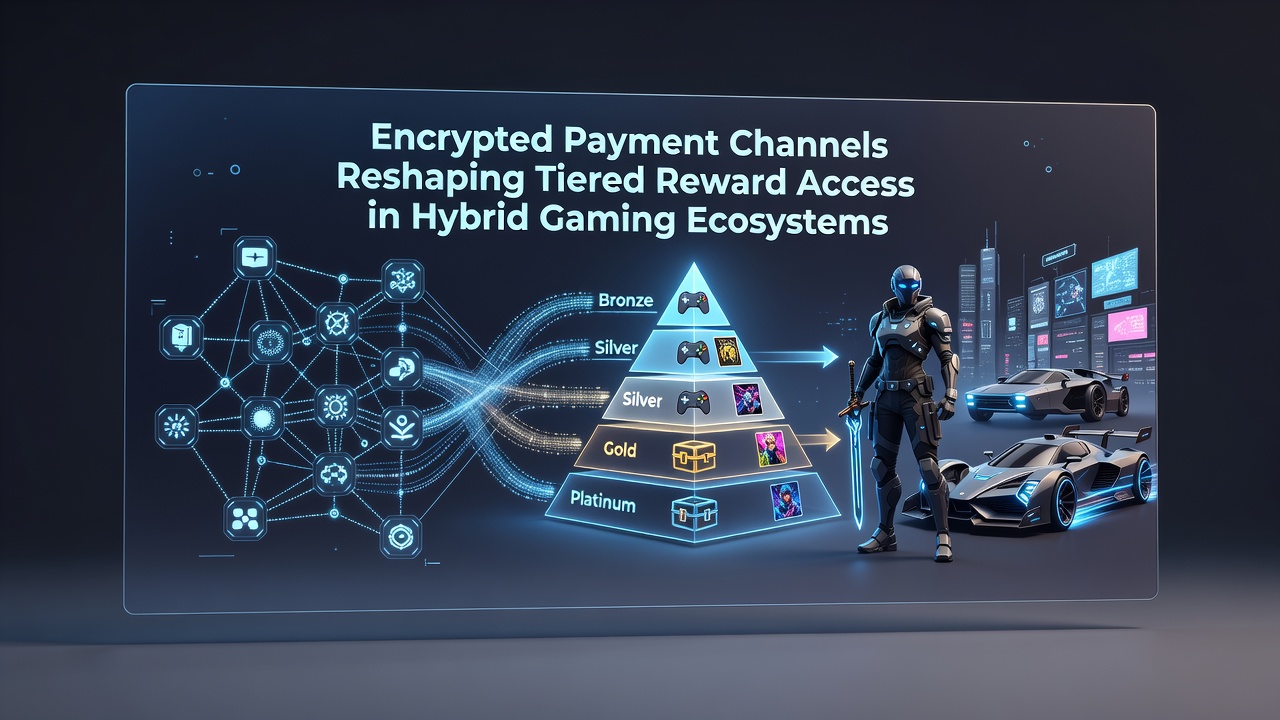
Encrypted payment channels now form a core component of many hybrid gaming ecosystems where online platforms blend with physical venues and mobile applications, and these systems alter how operators structure access to tiered rewards based on player activity and deposit patterns. Data from industry analyses indicate that such channels leverage cryptographic protocols to enable faster and more private transactions while operators adjust loyalty frameworks accordingly. Studies conducted by research institutions show that this integration supports real-time tracking of contributions toward higher reward levels without exposing sensitive financial details during each interaction.
Mechanics of Encrypted Channels in Gaming Transactions
Operators implement payment channels that utilize off-chain processing combined with on-chain settlement to handle deposits and withdrawals in games ranging from digital slots to live dealer formats and in-play betting modules, and this approach reduces latency while maintaining verification standards set by various regulatory frameworks. According to findings from the National Institute of Standards and Technology, cryptographic methods within these channels protect transaction integrity across distributed networks, which allows platforms to verify player actions that qualify for tier progression without repeated full blockchain confirmations. Hybrid setups often combine these channels with traditional payment rails so players move between environments seamlessly while their accumulated activity feeds into centralized reward calculations.
Platforms record deposits made through encrypted channels as qualifying events for tier advancement, and the system logs these events with timestamps and amounts that contribute to thresholds for VIP benefits such as bonus multipliers or exclusive game access. Reports from the European Gaming and Betting Association highlight that adoption rates have increased steadily since 2024 as operators seek to differentiate their offerings in competitive markets. One case examined by academic researchers at a European university revealed that transaction speeds improved by factors of ten compared to legacy methods, which in turn permitted more frequent updates to player status within loyalty programs.
Impact on Tiered Reward Structures
Tiered reward access evolves when encrypted channels supply verifiable yet anonymized data streams that operators use to automate progression between levels, and this automation replaces manual reviews in many instances. Players who complete deposits via these channels see their activity reflected almost instantly in tier dashboards, which encourages continued engagement across multiple game types within the same ecosystem. Figures released by market research firms show that hybrid platforms employing such technology report higher retention rates among mid-tier users who previously faced delays in reward recognition.
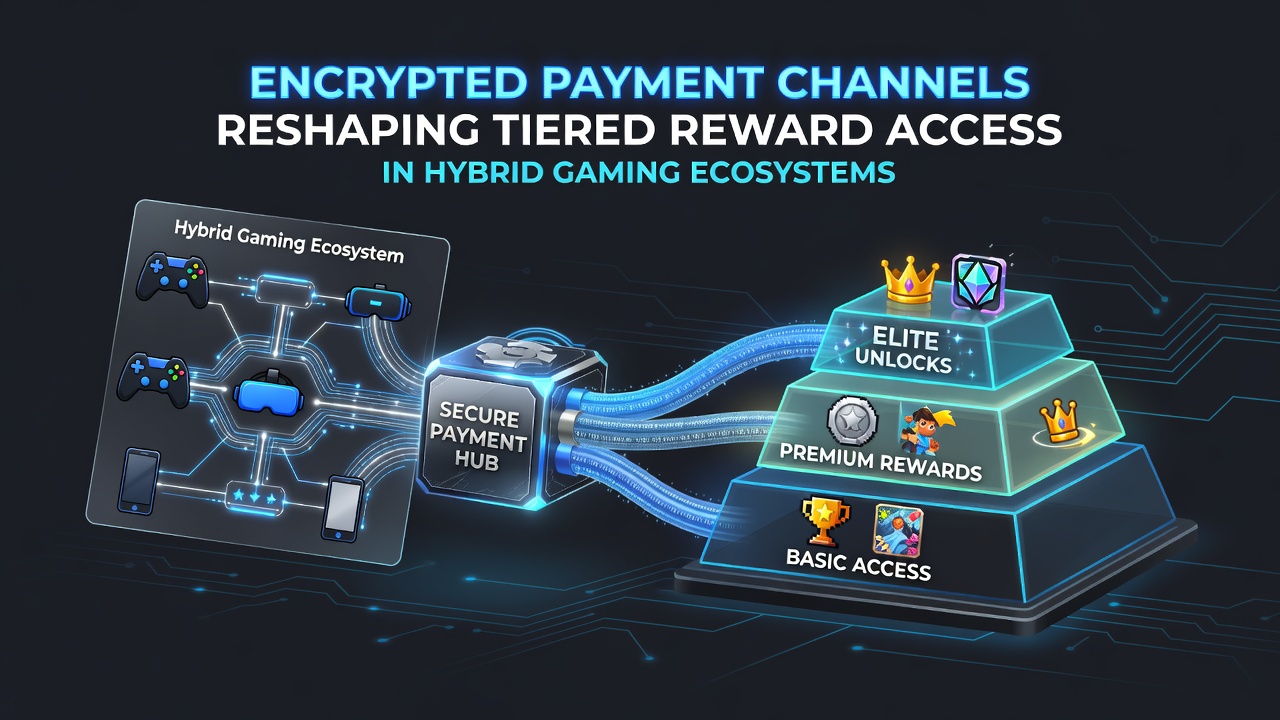
Adjustments to reward criteria occur regularly as operators refine algorithms that weigh channel-specific deposits differently from other methods, and observers note that this weighting can accelerate access to top tiers for users who favor privacy-focused options. In August 2026 several platforms plan to roll out updated tier models that incorporate multi-signature requirements drawn from encrypted channel protocols, which further streamlines verification while complying with international data protection standards. Research indicates that such changes expand the pool of eligible players because lower minimum deposit amounts become feasible without increasing operational overhead.
Integration Across Hybrid Environments
Hybrid gaming ecosystems merge virtual reality tables with physical casino floors and mobile applications, and encrypted channels serve as the connective tissue that synchronizes player data across these domains. A player depositing through a channel on a mobile app can have that activity count toward tier status usable at a land-based location within the same network, and operators achieve this through shared ledgers protected by encryption standards. Industry reports document that cross-platform consistency reduces friction that once discouraged users from exploring additional game formats.
Security audits performed by independent firms confirm that channel-based systems resist common attack vectors better than centralized databases alone, which supports operator decisions to tie higher reward tiers to these more secure pathways. Data compiled through 2025 demonstrates measurable growth in the number of platforms offering channel-enabled rewards, particularly in regions with strong data privacy regulations. Those who monitor adoption patterns find that smaller operators gain competitive ground by implementing these tools ahead of larger competitors still reliant on older infrastructure.
Future Developments and Regulatory Considerations
Regulatory bodies in multiple jurisdictions continue to evaluate how encrypted payment channels interact with existing gambling compliance rules, and forthcoming guidelines expected later in 2026 may standardize reporting requirements for tier-related transactions. Academic papers published in technology journals outline potential expansions that include zero-knowledge proofs to further obscure individual identities while still allowing aggregate reward calculations. Operators who prepare for these shifts position themselves to maintain compliance while expanding their tiered offerings without additional layers of manual oversight.
Conclusion
Encrypted payment channels continue to influence how hybrid gaming platforms manage tiered reward access by providing secure, efficient mechanisms for tracking and verifying player contributions. Evidence from technical standards organizations and industry associations demonstrates ongoing integration that aligns with broader trends in digital finance and gaming technology. As platforms prepare updates scheduled around August 2026, the connection between channel usage and reward tier progression stands to become more pronounced across global markets.