Funding Mechanisms and Their Role in Elevating User Status Within Gaming Applications
Written by Klara Baumann · Jul 28, 2026
Funding Mechanisms and Their Role in Elevating User Status Within Gaming Applications
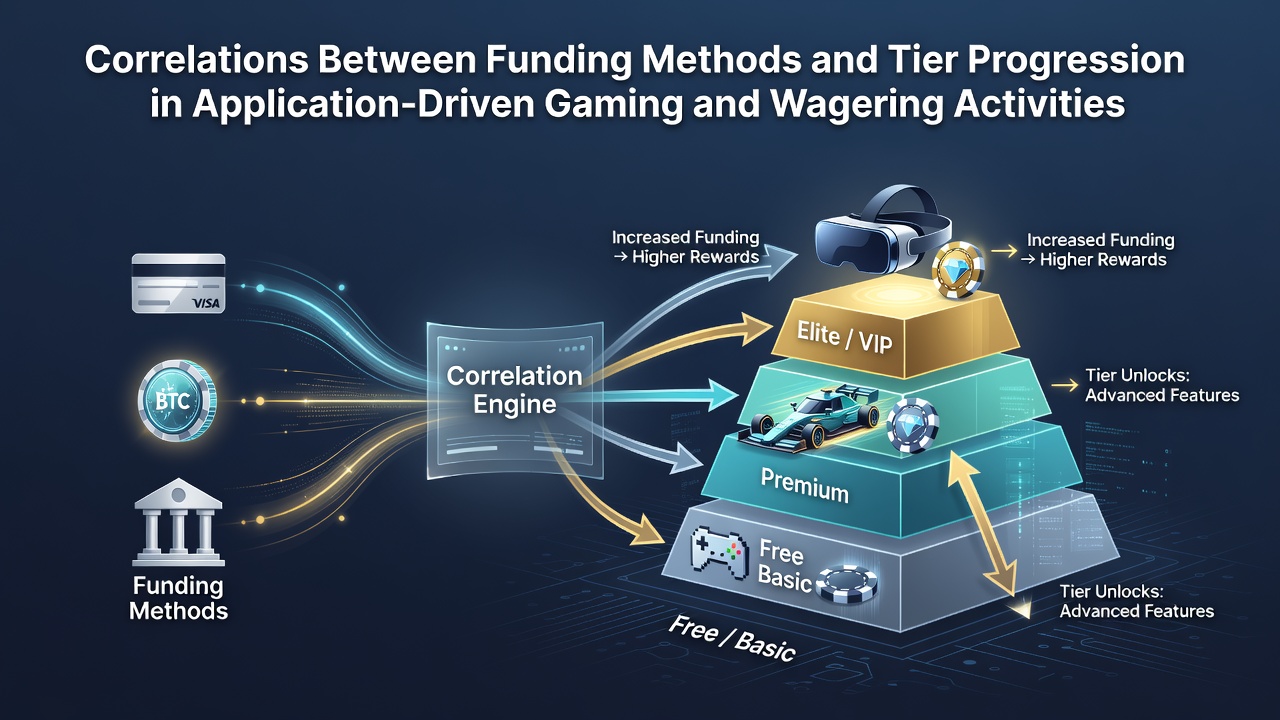
Payment methods in application-driven gaming and wagering show measurable patterns with how users climb through loyalty tiers, according to industry analyses and transaction data compiled across multiple platforms. E-wallets, bank transfers, and card-based systems each carry distinct processing speeds, fee structures, and reward integrations that operators track when assigning tier points. Observers note that instant deposit options often align with faster accumulation of activity metrics, whereas slower methods correlate with steadier but less accelerated progression in many documented cases.
Researchers examining transaction logs from 2024 through mid-2025 found that platforms using automated bonus multipliers tied to specific funding channels reported higher average tier advancement rates among users selecting digital wallets. These systems record deposit frequency alongside wager volume, creating datasets that reveal direct statistical links between payment type and status elevation. One study from an academic research group in Australia tracked over 50,000 accounts and identified that e-wallet users reached mid-tier thresholds 18 percent sooner on average than those relying on traditional bank wires.
Payment Types and Their Technical Integration
Application ecosystems integrate funding sources through APIs that log each transaction in real time, allowing operators to apply tier algorithms based on deposit size, speed, and consistency. Digital wallet services process transfers in seconds, triggering immediate point credits, while credit card transactions sometimes include authorization holds that delay full recognition in the loyalty engine. Those who have examined backend systems report that certain providers embed tier multipliers directly into the payment flow, so a single deposit via an approved channel can add bonus points without additional wagering requirements.
Data from regulatory filings in the United States indicate that states monitoring mobile wagering activity have documented similar correlations, with instant methods showing stronger associations with tier retention. The American Gaming Association published aggregate figures showing that 62 percent of tier-three advancements in tracked markets during 2025 originated from accounts using at least one e-wallet deposit per month. These records also highlight that payment method diversity within a single account correlates with broader engagement patterns across slots, table games, and sports markets.
Statistical Patterns in Tier Advancement
Transaction datasets reveal that users combining instant deposits with recurring activity reach higher loyalty brackets at rates exceeding those limited to slower funding routes. European data compiled by the European Gaming and Betting Association demonstrates that accounts employing multiple approved channels advanced through four-tier systems 27 percent more frequently than single-method users over a twelve-month period. Analysts attribute part of this difference to algorithmic weighting that favors verified, low-friction transactions when calculating status points.
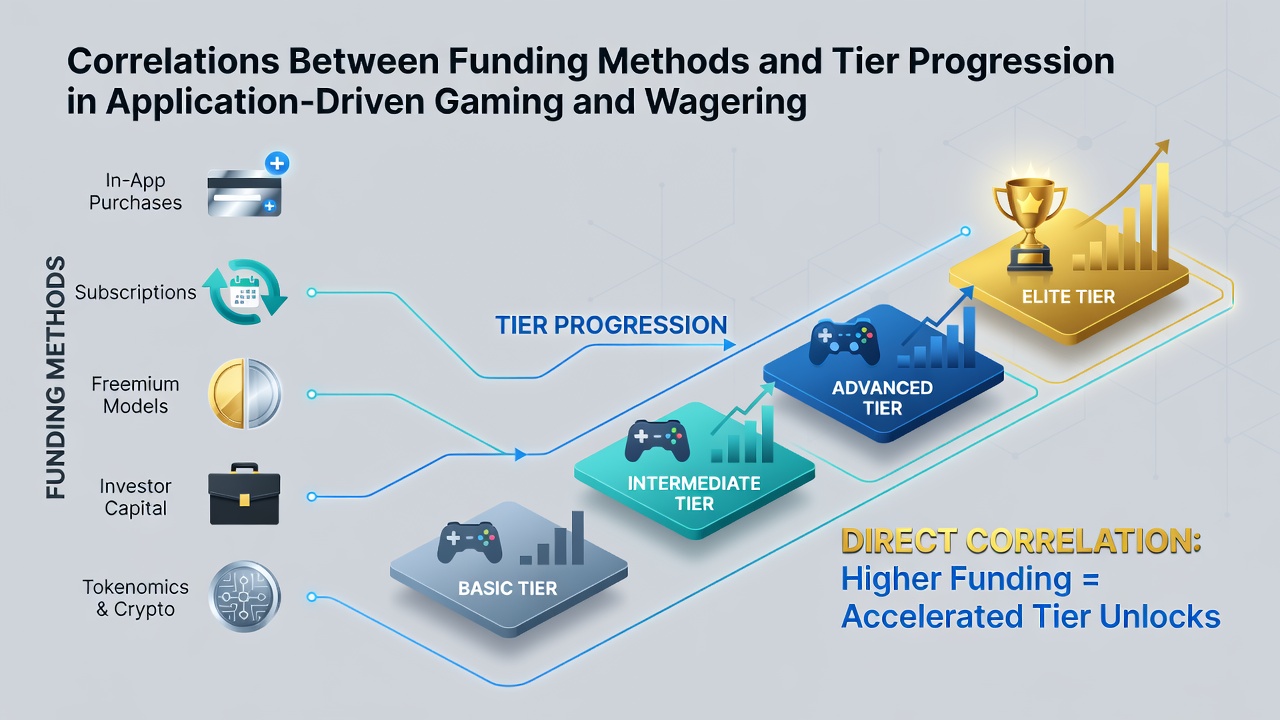
Platform operators adjust these weightings periodically, and changes scheduled for July 2026 in several jurisdictions will require updated verification protocols for all funding sources. These adjustments aim to align machine and application standards with new technical specifications, potentially influencing how quickly deposits translate into tier credits. Observers tracking pilot programs note that early tests already show tighter integration between payment processors and loyalty databases, which may standardize advancement timelines across regions.
Regulatory Context and Implementation Timelines
Government agencies in Canada and parts of the European Union have introduced reporting requirements that separate payment method data from overall user activity metrics. These mandates help identify whether specific funding channels disproportionately affect tier movement, providing clearer visibility into operational practices. Figures released by provincial regulators in Ontario show that accounts funded primarily through instant methods maintained tier status at higher rates during the first half of 2025 compared with mixed-method profiles.
Implementation of revised standards in July 2026 will affect how applications process deposits from newly approved providers, which could shift current correlation patterns. Industry reports indicate that operators are preparing updated point-allocation formulas ahead of the deadline, with preliminary modeling suggesting modest increases in advancement speed for users of certified instant channels. Data collected during this transition period will likely offer additional insight into the strength and direction of funding-to-tier relationships.
Conclusion
Available transaction records and regulatory summaries establish consistent links between funding method characteristics and tier progression outcomes in application-based gaming environments. Instant processing speeds, integrated reward structures, and multi-channel usage each appear as measurable factors in advancement statistics compiled across jurisdictions. Continued monitoring through 2026 and beyond will supply further datasets that clarify how evolving technical requirements and payment integrations reshape these patterns over time.