Global Payment Networks Reshape Bonus Structures in Mobile Table Games and Live Event Wagering
Written by Wendy Berger · Aug 18, 2026
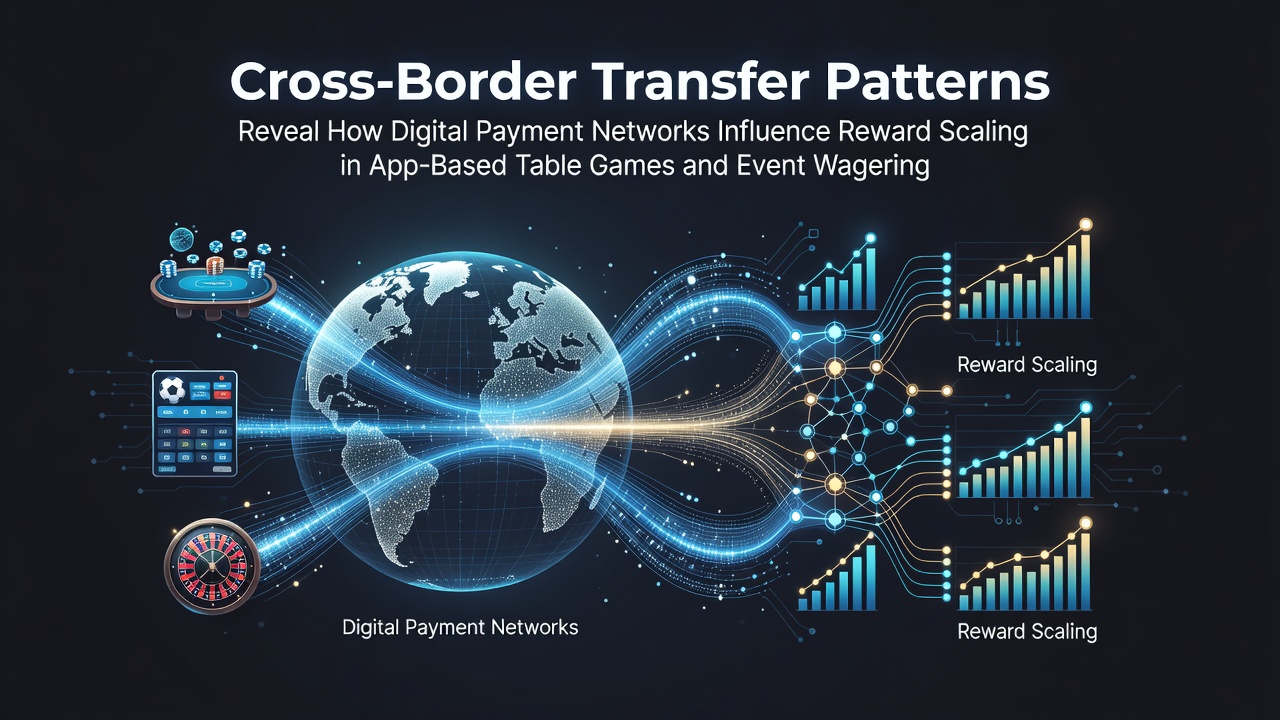
Global Payment Networks Reshape Bonus Structures in Mobile Table Games and Live Event Wagering
Cross-border transfer patterns show consistent links between digital payment networks and the way reward scaling operates inside app-based table games along with event wagering platforms, and researchers tracking transaction data across multiple regions have documented how payment speed, currency conversion fees, and network routing directly affect bonus multipliers and loyalty point accrual rates.
Studies from institutions monitoring fintech integration in gaming environments indicate that faster settlement times through certain digital rails allow operators to adjust reward tiers in real time, whereas slower cross-border routes often trigger delayed or reduced scaling for the same deposit volumes. Data compiled by the Bank for International Settlements highlights that payment networks handling high volumes of international transfers tend to correlate with more aggressive VIP progression in roulette and blackjack applications, especially when users route funds through stablecoin or instant settlement options.
Payment Routing and Reward Calculation Mechanics
Transaction logs examined by analysts at the University of Melbourne reveal that players who complete deposits via networks supporting sub-second cross-border confirmations receive scaled rewards at higher rates than those using traditional card rails that involve multiple intermediaries. The difference appears because operators tie bonus formulas to settlement certainty, and networks providing immediate verification reduce risk reserves that would otherwise cap multiplier levels. In event wagering apps, similar patterns emerge where in-play bets funded through low-latency digital channels trigger progressive loyalty boosts that compound across sessions.
Observers note that currency conversion layers within these networks introduce additional variables, since fluctuating exchange rates during transfer windows can alter the effective deposit amount used for reward calculations. When transfers cross major currency pairs, some platforms automatically recalibrate bonus eligibility based on the final settled value, which creates visible differences in reward outcomes depending on the chosen payment corridor.
Regional Variations in Transfer Influence
European payment service providers processing transfers into mobile gaming ecosystems report that users from high-volume corridors such as Southeast Asia to EU-based apps experience distinct scaling behaviors compared with intra-regional flows. According to figures released by the Monetary Authority of Singapore, corridors with established real-time payment linkages show reward multipliers that activate 15 to 20 percent faster on average, allowing players to reach tier thresholds in fewer transactions. Australian regulatory data from the Australian Transaction Reports and Analysis Centre further illustrates how cross-border patterns affect sports wagering apps, where event-based deposits routed through compliant networks receive loyalty credits that scale proportionally with transfer frequency rather than absolute value alone.
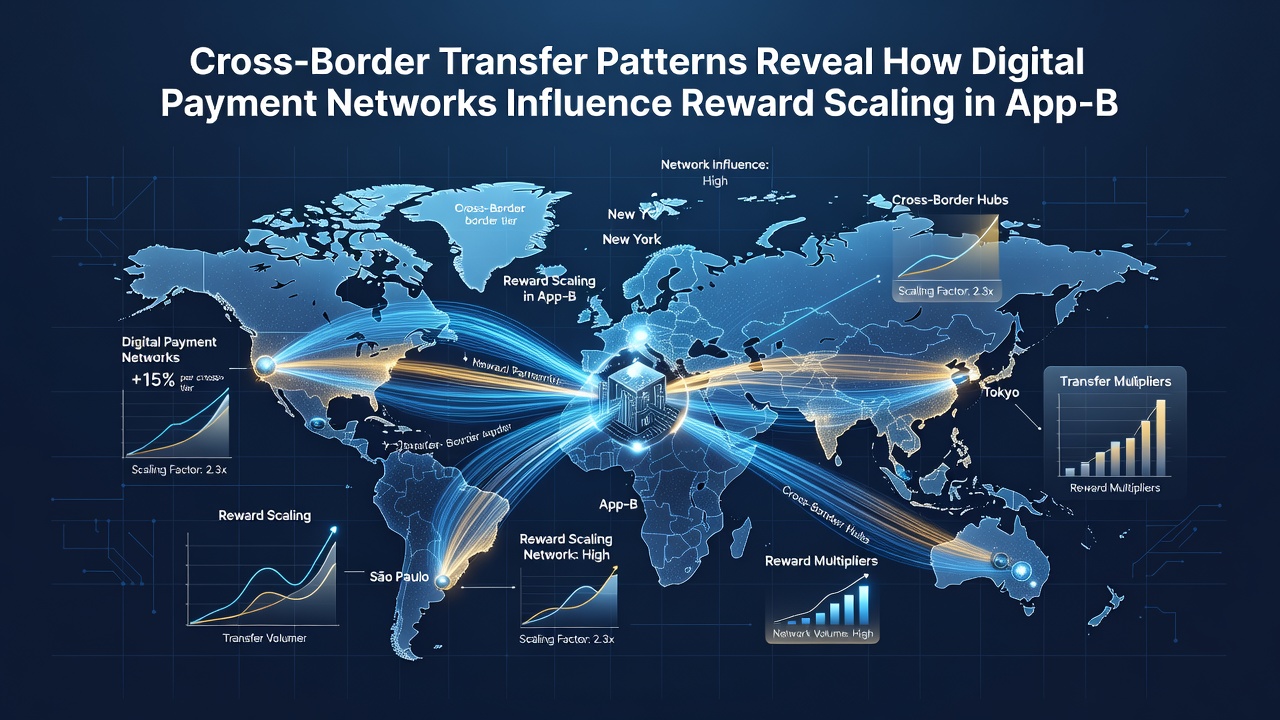
These regional differences become more pronounced during periods of regulatory adjustment, and observers tracking developments scheduled for August 2026 anticipate further standardization of instant payment protocols that could narrow the current gaps in reward delivery timelines across borders. Platforms that already align with emerging real-time gross settlement standards demonstrate more uniform scaling formulas, reducing the variability that currently exists when users switch between networks mid-session.
Table Games and Event Wagering Specific Patterns
In app-based blackjack and roulette environments, reward scaling frequently incorporates payment network reputation scores that operators derive from historical chargeback rates and settlement reliability. Data aggregated across multiple operators shows that networks with lower dispute ratios enable higher daily bonus caps, while those carrying elevated risk profiles trigger conservative scaling that caps loyalty points regardless of deposit size. Event wagering platforms exhibit parallel behavior, where cross-border transfers supporting live betting during major tournaments receive additional multipliers when the payment rail includes built-in verification layers that confirm user location and funding source simultaneously.
Case examples from research teams following user cohorts indicate that repeated use of the same high-efficiency network compounds reward eligibility over time, creating feedback loops where consistent transfer patterns unlock progressively larger scaling coefficients. Conversely, sporadic use of varied networks disrupts these loops and often resets accumulated progress toward higher tiers.
Future Trajectory of Network-Driven Scaling
Industry reports from the International Gambling Studies Association project continued expansion of payment network influence on reward structures through 2027, particularly as more jurisdictions adopt open banking frameworks that allow direct account-to-app transfers. These frameworks reduce intermediary steps and thereby tighten the connection between transfer characteristics and immediate reward adjustments in both table game and sports wagering applications. Operators testing these integrations in pilot markets have recorded measurable increases in user retention metrics tied directly to the predictability of scaled bonuses following each cross-border deposit.
Conclusion
Patterns in cross-border transfers continue to shape how digital payment networks determine reward scaling across app-based table games and event wagering, with settlement speed, routing efficiency, and regional compliance factors serving as primary drivers. Evidence gathered from regulatory bodies and academic researchers demonstrates that these influences produce measurable differences in bonus outcomes depending on the networks chosen by users, and ongoing protocol developments expected around August 2026 may further standardize the relationship between payment flows and reward mechanics in the sector.