Navigating Reward Pathways: How Transaction Methods Shape VIP Progression in Digital Gaming Applications
Written by Elena Wolf · Jul 16, 2026
Navigating Reward Pathways: How Transaction Methods Shape VIP Progression in Digital Gaming Applications
Digital gaming platforms track player activity through structured reward pathways that convert deposits and wagers into points, tier advancements, and exclusive benefits; transaction methods influence the speed and frequency of these conversions because instant processing allows repeated actions within shorter timeframes while slower methods create gaps between deposits and rewards.
Mechanics of Reward Pathways in Gaming Systems
Platforms assign points based on deposit volume, wager amounts, and session continuity, with algorithms calculating progression toward bronze, silver, gold, and platinum tiers; observers note that payment rails determine how quickly these metrics update because real-time authorization feeds data directly into loyalty engines whereas batch processing delays point allocation by hours or days.
Data from industry tracking systems shows that players using instant methods complete more deposit cycles per day, which compounds point earnings and accelerates tier climbs, whereas those relying on traditional bank transfers encounter cooldown periods that slow momentum.
Transaction Speed and Its Direct Effect on Tier Advancement
Instant deposit options such as digital wallets and certain mobile payment services move funds in seconds, enabling immediate placement of wagers that generate points without interruption; researchers at academic institutions studying behavioral patterns have documented that this continuity produces higher cumulative activity scores over monthly periods compared with card or wire methods that require verification windows.
Platforms apply multipliers during promotional windows, and users who deposit through fast rails capture these windows more reliably because their funds arrive before time-limited offers expire; in contrast, delays from slower methods cause missed opportunities that leave points unearned.
Comparative Analysis of Payment Methods
E-wallets process transactions through pre-verified accounts, which reduces friction and supports recurring small deposits that accumulate into substantial point totals without triggering additional checks; credit and debit cards follow standardized rails that add authorization layers, extending the interval between intent and reward credit.
Cryptocurrency transfers settle on blockchain networks within minutes in many cases, allowing cross-border players to bypass regional banking delays and maintain consistent progression rates; studies compiled by research organizations indicate that users combining multiple instant methods maintain steadier tier trajectories than those limited to single slower options.
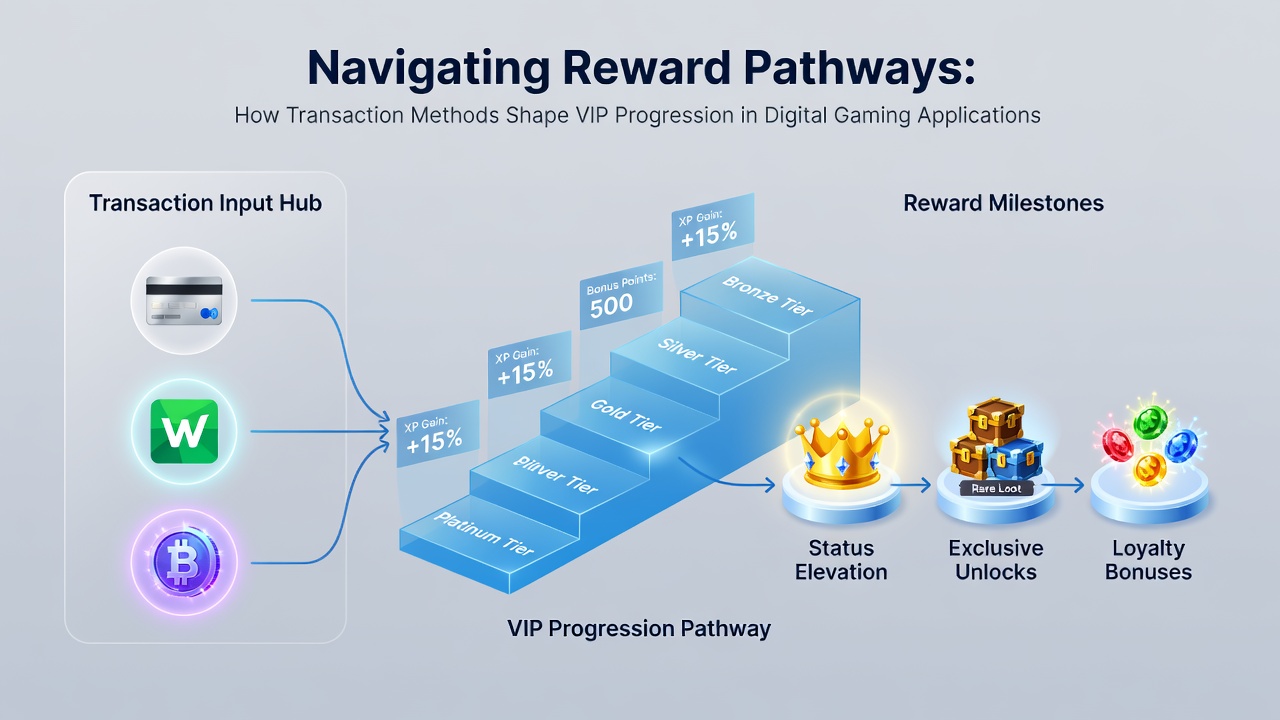
Bank transfers and certain prepaid cards operate on batch settlement cycles, which platforms accommodate by holding points in pending status until funds clear; this structure preserves accuracy but extends the timeline from deposit to visible VIP movement, particularly during high-volume promotional periods.
Regulatory Developments Affecting Transaction Integration
Standards scheduled for implementation in July 2026 in select jurisdictions require platforms to verify transaction provenance before awarding loyalty points, which may lengthen processing for certain methods while leaving instant rails largely unaffected if they already incorporate compliance checks; industry groups such as the Nevada Gaming Control Board have outlined similar verification protocols in prior updates.
These rules aim to align reward systems with anti-money-laundering requirements without disrupting player progression for compliant methods, and data from pilot programs shows minimal impact on e-wallet and crypto users while prompting platforms to refine card processing workflows.
Platform Adaptations and Player Outcomes
Operators have introduced hybrid systems that credit provisional points upon deposit initiation for approved methods, converting them to permanent status once funds settle; this approach narrows the gap created by slower rails and helps maintain engagement across different transaction preferences.
Reports from organizations like the Responsible Gambling Council in Canada document that players who align their preferred payment method with platform capabilities achieve tier milestones at rates consistent with overall activity levels, whereas mismatches between method speed and reward timing correlate with stalled progression.
Conclusion
Transaction methods function as gatekeepers within reward pathways because their processing characteristics determine deposit frequency, point accrual timing, and ultimately the pace of VIP tier advancement across digital gaming applications; platforms continue to refine integration between payment rails and loyalty engines to accommodate regulatory timelines including those effective in July 2026 while preserving measurable progression for users regardless of chosen method.