Payment Gateway Dynamics Reshaping Reward Pathways in Mobile Slot Sequences and Live Table Transitions
Written by Elena Wolf · Jul 21, 2026
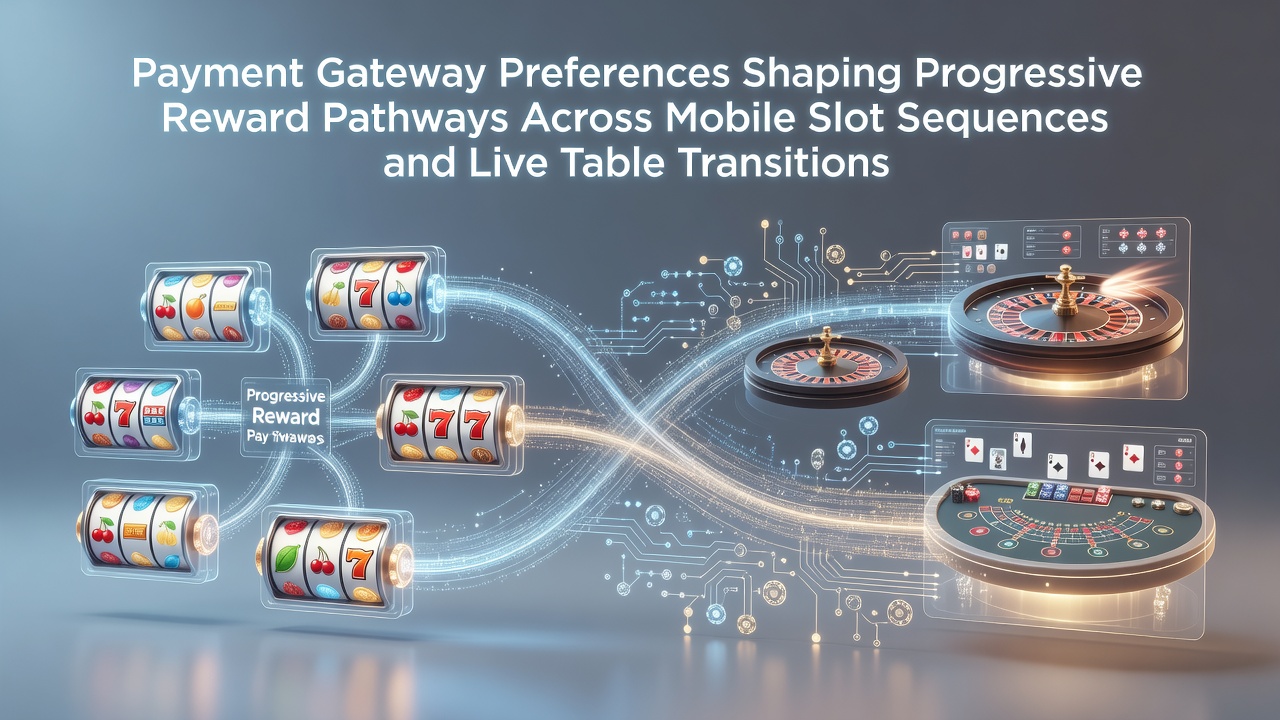
Payment Gateway Dynamics Reshaping Reward Pathways in Mobile Slot Sequences and Live Table Transitions
Payment gateway selections now determine how players accumulate points across mobile slot sessions and switch into live dealer environments, with transaction speed and method type directly affecting tier progression rates. Research from the Australian Gambling Research Centre shows that e-wallet users reach higher loyalty brackets faster than those relying on traditional card processing because instant confirmation accelerates the tracking of consecutive deposits and gameplay milestones.
Gateway Selection and Sequence-Based Accumulation
Mobile slot sequences rely on rapid deposit cycles to maintain multiplier chains, and gateways that settle within seconds allow players to chain spins without interruption while live table transitions require the same payment rails to carry over accumulated status. Observers note that platforms integrate these pathways so that a deposit made during slots automatically updates the player's standing when they move to roulette or blackjack tables, creating a continuous reward loop tied to the chosen payment rail.
Those who favor instant settlement options experience shorter qualification windows for progressive tiers because each successful transaction registers immediately in the backend systems that monitor play volume across game categories. Data from industry reports indicate that slower authorization times associated with certain card networks can delay point crediting by up to thirty minutes, which disrupts the momentum players build when alternating between automated slot reels and real-time dealer interactions.
Regional Regulatory Context and July 2026 Updates
Changes scheduled for July 2026 will require updated technical standards for gaming terminals and connected platforms, which include stricter rules on payment authentication methods used in reward calculations. These adjustments aim to align transaction logging with new machine certification requirements, ensuring that every deposit contributing to loyalty pathways meets verifiable security thresholds before points are awarded.
Operators have begun mapping their current gateway integrations against the forthcoming specifications so that mobile slot sequences and live table sessions continue to feed into unified reward structures without interruption once the rules take effect. Figures released by the Canadian Gaming Association reveal that jurisdictions with earlier adoption of enhanced payment verification saw a measurable uptick in cross-game play because players trusted the stability of their accumulating benefits.
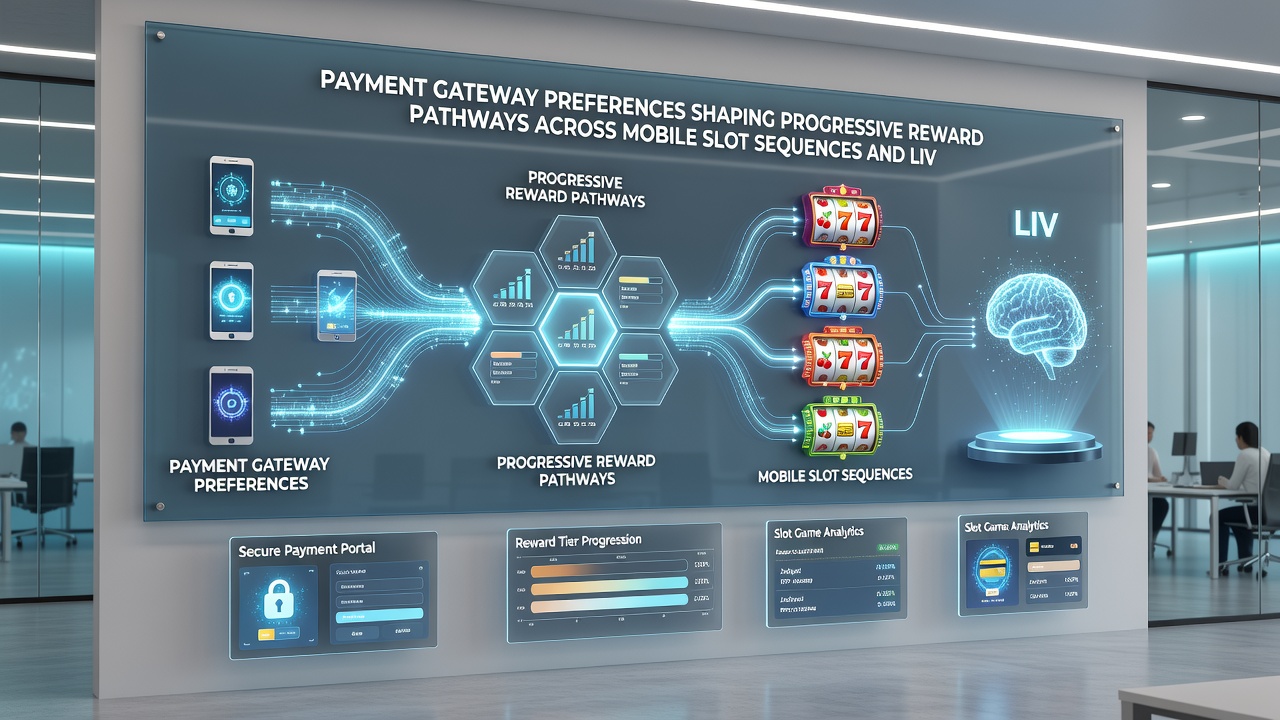
Cross-Platform Reward Mechanics
Live table transitions benefit when payment gateways support unified wallets because players can move funds between slot balances and table stakes without separate authorization steps. This seamless movement preserves the progressive nature of rewards, allowing multipliers earned on slots to influence table minimums or comp eligibility once the player switches environments.
Those studying user behavior patterns report that platforms offering gateway-specific bonuses tied to e-wallets or prepaid methods record higher completion rates for multi-game challenges, where completing a set number of slot spins followed by table rounds unlocks additional status points. The European Gaming and Betting Association has documented similar patterns across several markets, noting that transaction method preferences correlate with how frequently players complete these combined sequences.
Technical Integration Patterns
Backend systems now tag each deposit with metadata that tracks both the gateway used and the game category at the time of funding, enabling algorithms to weight reward calculations differently based on whether the activity occurred in mobile slots or during live dealer rounds. This tagging supports the creation of progressive pathways that escalate benefits as players maintain activity across both formats within defined time windows.
Payment processors that provide real-time API responses allow platforms to update loyalty dashboards instantly, which in turn encourages continued engagement because players see their progress reflected without delay. Studies from the University of Nevada, Las Vegas International Gaming Institute highlight that reduced latency between deposit and reward visibility increases session length when users alternate between slot sequences and live tables.
Conclusion
Payment gateway preferences continue to shape how reward pathways develop across mobile slot sequences and live table transitions, with transaction characteristics directly influencing the pace and continuity of tier advancement. As technical standards evolve ahead of July 2026, the alignment between payment rails and game mechanics will determine how effectively operators maintain unified loyalty structures. Data from multiple regulatory and academic sources confirm that these integrations affect player movement between game types and the overall accumulation of benefits tied to deposit behavior.