Payment Routes and Their Influence on Progressive Incentives in Reel Games, Live Tables, and Sports Markets
Written by Wendy Berger · Aug 11, 2026
Payment Routes and Their Influence on Progressive Incentives in Reel Games, Live Tables, and Sports Markets
Core Mechanics of Transaction Pathways
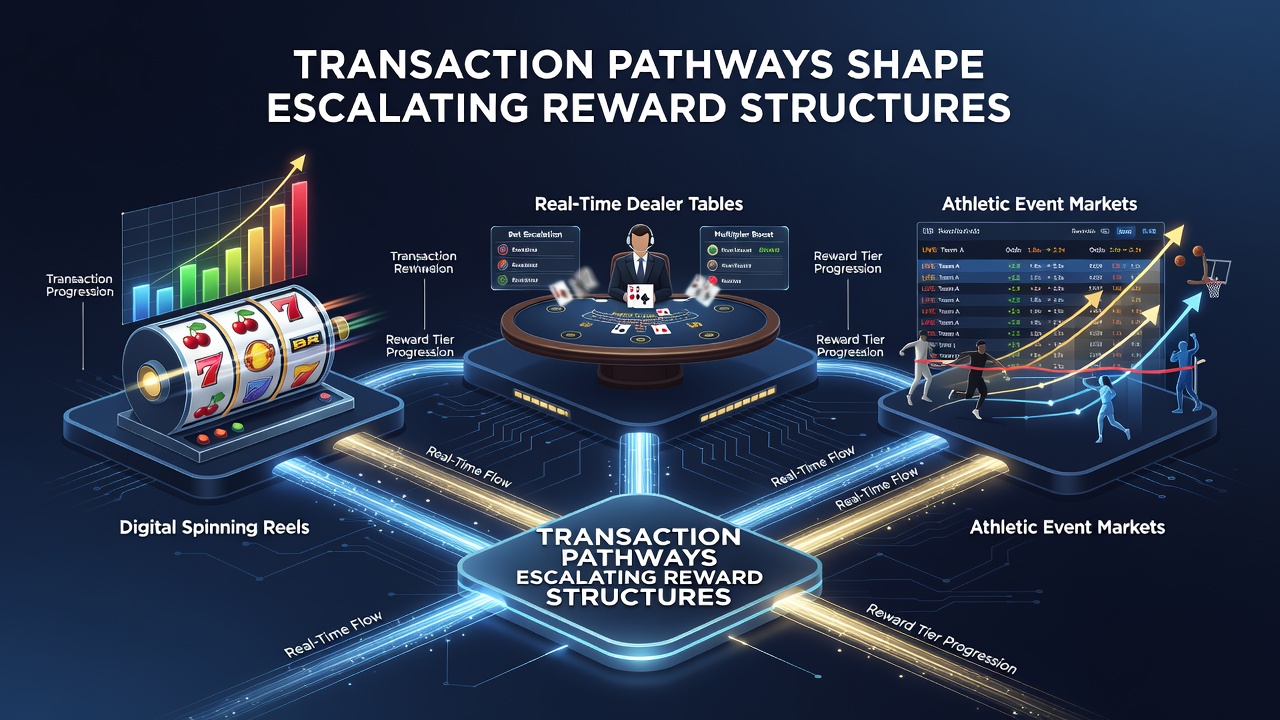
Transaction pathways refer to the specific routes users select when moving funds into gaming platforms, and these choices directly determine access to escalating reward layers across digital spinning reels, real-time dealer tables, and athletic event markets; platforms configure bonus multipliers, tiered loyalty points, adn cashback percentages according to deposit speed, method type, and transaction frequency because faster routes reduce processing friction and increase session continuity.
Data from multiple markets shows that e-wallet transfers often unlock higher initial bonus percentages than card payments, while certain cryptocurrency routes trigger additional multiplier steps once volume thresholds are met, and observers note that these structures create layered incentives where repeated use of the same pathway accelerates progression through VIP levels.
Impact on Digital Spinning Reels
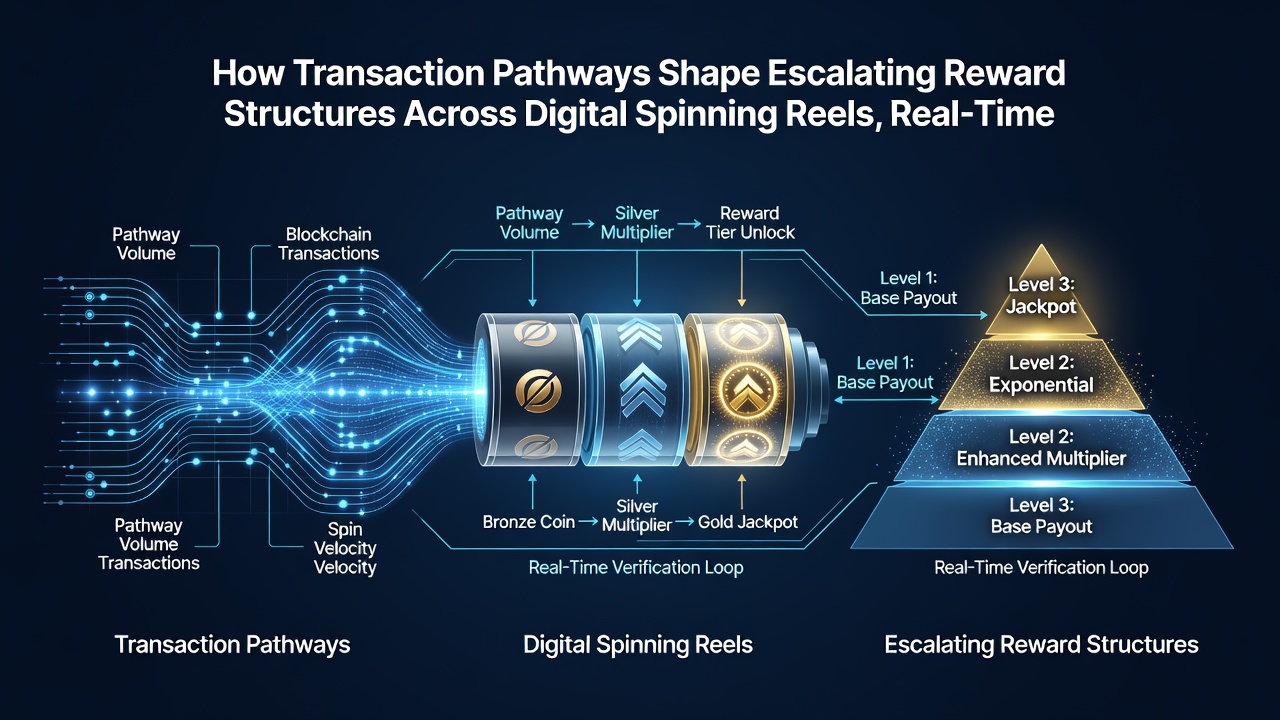
Digital spinning reels respond most visibly to transaction pathways because instant deposit confirmation allows immediate activation of bonus rounds and free spin allocations, whereas slower routes delay reward triggers and reduce the compounding effect of consecutive deposits; studies compiled by the American Gaming Association indicate that platforms adjust reel-specific multipliers based on deposit velocity, with users completing three or more rapid transactions within a calendar day receiving escalated point accrual rates that compound across weekly cycles.
Payment method also shapes reel reward structures because certain digital wallets integrate directly with progressive jackpot networks, granting users priority access to higher-tier pools once deposit history satisfies internal criteria, and this linkage produces measurable differences in average reward distribution between card-funded sessions and those initiated through faster alternatives.
Real-Time Dealer Tables and Continuous Reward Escalation
Real-time dealer tables require uninterrupted play to maximize table-side promotions and streak-based bonuses, so transaction pathways that deliver funds within seconds enable players to extend sessions without interruption while slower methods force breaks that reset loyalty counters; platforms therefore calibrate live table incentives around deposit latency, awarding additional comps or risk-free hands to accounts that maintain consistent funding through approved instant routes.
Research from the University of Nevada's International Gaming Institute demonstrates that table games integrated wth real-time payment rails show elevated average reward redemption rates, particularly when users combine multiple small deposits through the same pathway rather than single large transfers, and this pattern holds across blackjack, roulette, and baccarat variants where continuous play directly feeds into escalating comp structures.
Athletic Event Markets and In-Play Adjustments
Athletic event markets operate on rapidly shifting odds, making transaction pathways critical for capturing live betting opportunities and unlocking market-specific reward tiers; users who route deposits through methods that settle before event starts receive priority access to enhanced odds pools and cash-out multipliers, whereas delayed funding routes exclude participants from certain promotional layers tied to pre-event timing.
Industry reports compiled through August 2026 highlight that sports platforms now embed pathway-based algorithms that escalate cashback percentages for users who alternate between pre-match and in-play deposits within the same account, producing measurable increases in total reward volume for those maintaining consistent method usage across multiple events.
Cross-Segment Reward Integration
Platforms increasingly link transaction pathways across all three segments so that deposit activity in digital spinning reels contributes to live table comps and sports market bonuses simultaneously, and this unified structure allows users to accelerate overall VIP progression by concentrating activity through a single approved route; regulatory filings from Canadian provincial gaming authorities confirm that such cross-segment tracking has expanded since mid-2025, with point multipliers now applied uniformly once cumulative transaction thresholds are reached regardless of game type.
Those who study these systems observe that the design encourages pathway loyalty because switching methods mid-cycle often resets or downgrades accumulated multipliers, while sustained use of one route compounds benefits across reels, tables, and sports markets in a single loyalty ledger.
Conclusion
Transaction pathways function as structural determinants of reward escalation because platforms calibrate bonus layers, loyalty tiers, and multiplier steps according to deposit method, speed, and frequency, and these configurations apply uniformly across digital spinning reels, real-time dealer tables, and athletic event markets; continued evolution of payment integrations will further refine how these pathways shape access to progressive incentives without altering the underlying principle that route selection governs reward accumulation.