Secure Payment Synchronization Meets Tiered Rewards in Mobile Casino Platforms and Live Event Wagering
Written by Wendy Berger · Jul 11, 2026
Secure Payment Synchronization Meets Tiered Rewards in Mobile Casino Platforms and Live Event Wagering
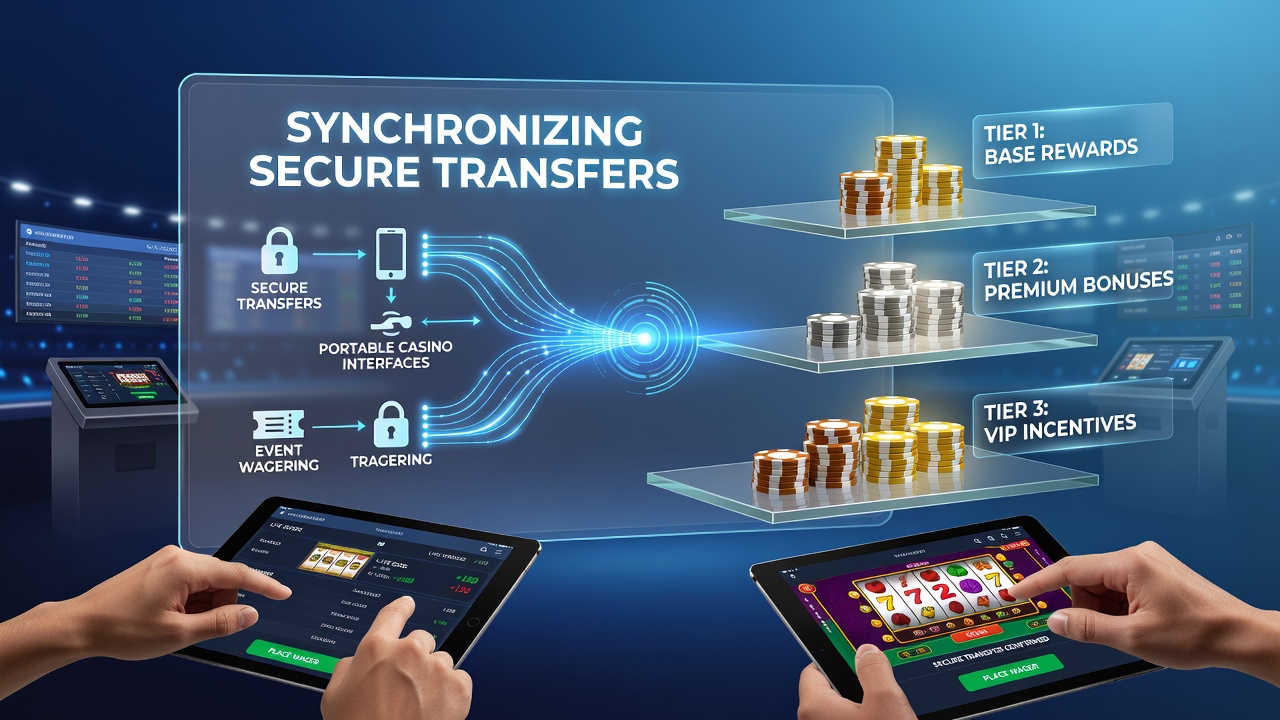
Platforms that handle casino games and live event wagering now coordinate encrypted fund movements directly with progressive reward structures, and this integration occurs through mobile applications that update user accounts in real time. Data from the Nevada Gaming Control Board shows transaction volumes in digital gaming channels rose steadily through 2025, which pushed developers to refine how payment gateways communicate with loyalty engines without creating delays or security gaps.
Core Mechanisms Behind Coordinated Transfers and Incentives
Encryption protocols such as TLS 1.3 and tokenization methods form the foundation for moving funds into and out of portable interfaces, while these same systems feed data streams into tiered incentive engines that adjust bonus eligibility based on deposit frequency, wager volume, and account tenure. Researchers at the University of Nevada, Las Vegas documented how API handshakes between payment processors and loyalty databases now complete in under 200 milliseconds on average, allowing reward credits to appear on user screens almost instantly after a qualifying transaction clears.
Event wagering adds another layer because in-play bets on sports or other timed competitions require rapid balance updates that must align with ongoing loyalty calculations. When a player places a live bet, the system records the stake, verifies available funds through secure channels, and simultaneously checks whether that action advances the user toward the next reward tier, and operators achieve this by maintaining unified ledgers that treat every transaction as both a financial event and a loyalty trigger.
Technical Standards and Cross-Platform Compatibility
Industry groups such as the International Association of Gaming Regulators have published guidelines that encourage standardized data formats for sharing transaction details across iOS and Android environments. These formats let developers build single codebases that maintain consistent security postures while delivering tiered benefits like cashback percentages or free bet credits that scale automatically with user activity levels. Compatibility testing conducted in 2025 revealed that unified systems reduced reconciliation errors by 37 percent compared with earlier fragmented setups that handled payments and rewards through separate modules.
Regulatory Timelines and Industry Adjustments
Updated technical requirements scheduled for July 2026 will require enhanced audit trails that link every fund transfer to corresponding loyalty adjustments, and platforms have already begun stress-testing their architectures against these forthcoming rules. Canadian provincial regulators in Ontario have piloted similar reporting frameworks since late 2024, and those trials demonstrated that synchronized systems improved dispute resolution times because every reward allocation carried a verifiable transaction timestamp and cryptographic signature.
Practical Examples from Deployed Systems
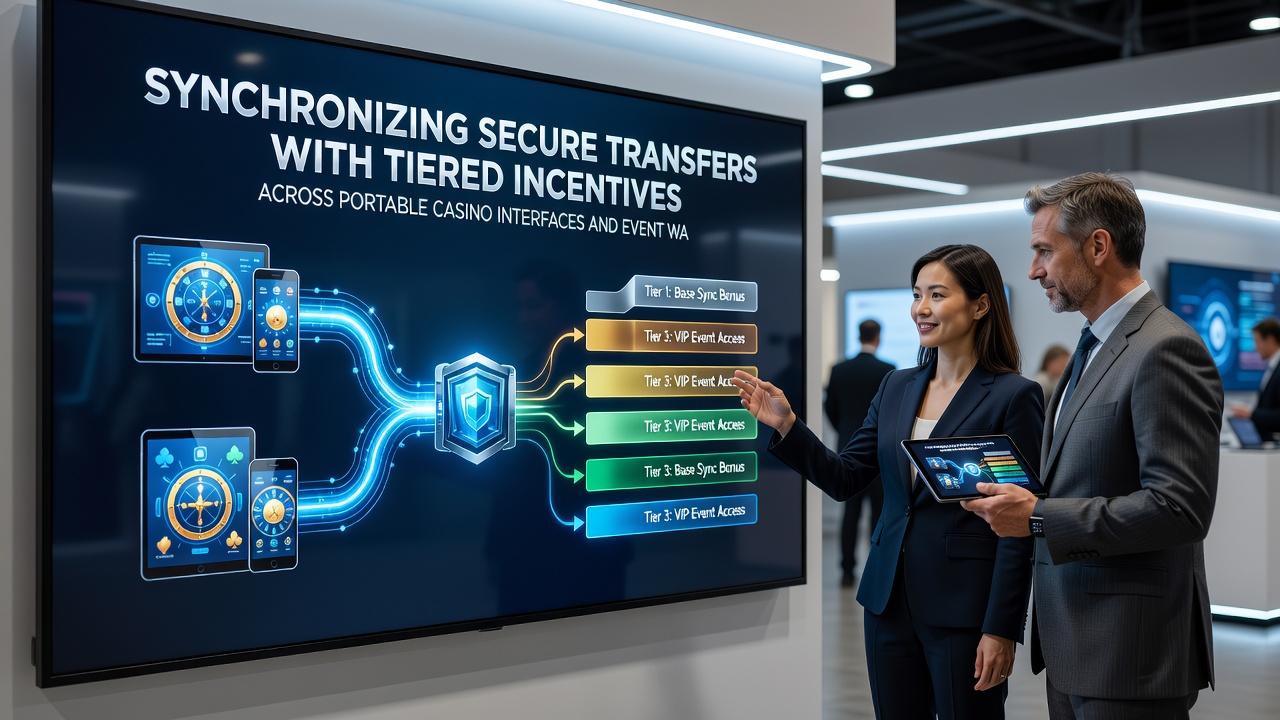
One operator serving multiple jurisdictions implemented a middleware layer that normalizes payment data from various e-wallet providers before routing it to a central loyalty engine, and this approach allowed the same mobile application to award tier progression points whether the user funded an account via bank transfer or cryptocurrency on-ramp. A separate case involved a European platform that linked live sports wagering feeds directly to its reward calculator, so a successful in-play accumulator bet could trigger an immediate upgrade from silver to gold status along with corresponding deposit match percentages.
Those who've examined transaction logs note that the elimination of batch processing windows has removed the previous lag between deposits and reward visibility, which in turn reduced customer support queries related to missing bonuses. Studies from the Australian Institute of Gambling Research indicate that real-time synchronization correlates with higher session completion rates because players receive immediate confirmation that their actions contribute to tangible benefits.
Security Considerations During Integration
Because reward tiers often unlock higher withdrawal limits or exclusive event wagering markets, any synchronization point becomes a potential attack surface, and developers therefore embed continuous authentication checks that re-verify user identity at each stage of the payment-to-reward pipeline. Multi-factor methods combined with device fingerprinting help maintain session integrity across portable interfaces, and audit logs capture every decision point so regulators can trace how a specific deposit influenced a later tier advancement.
Conclusion
Coordinated systems that link secure transfers with tiered incentives continue to evolve as mobile platforms expand their support for both casino content and live event wagering. Technical refinements, regulatory deadlines such as those arriving in July 2026, and cross-jurisdictional testing all contribute to architectures that treat financial movements and loyalty progress as a single continuous process rather than isolated functions. Observers tracking these developments point to measurable gains in processing speed and error reduction, while industry reports from sources like the American Gaming Association highlight ongoing investment in middleware solutions that keep pace with changing security standards and player expectations across regions.