Transaction Velocity and Loyalty Point Dynamics in Integrated Mobile Gaming Systems
Written by Klara Baumann · Jul 14, 2026
Transaction Velocity and Loyalty Point Dynamics in Integrated Mobile Gaming Systems
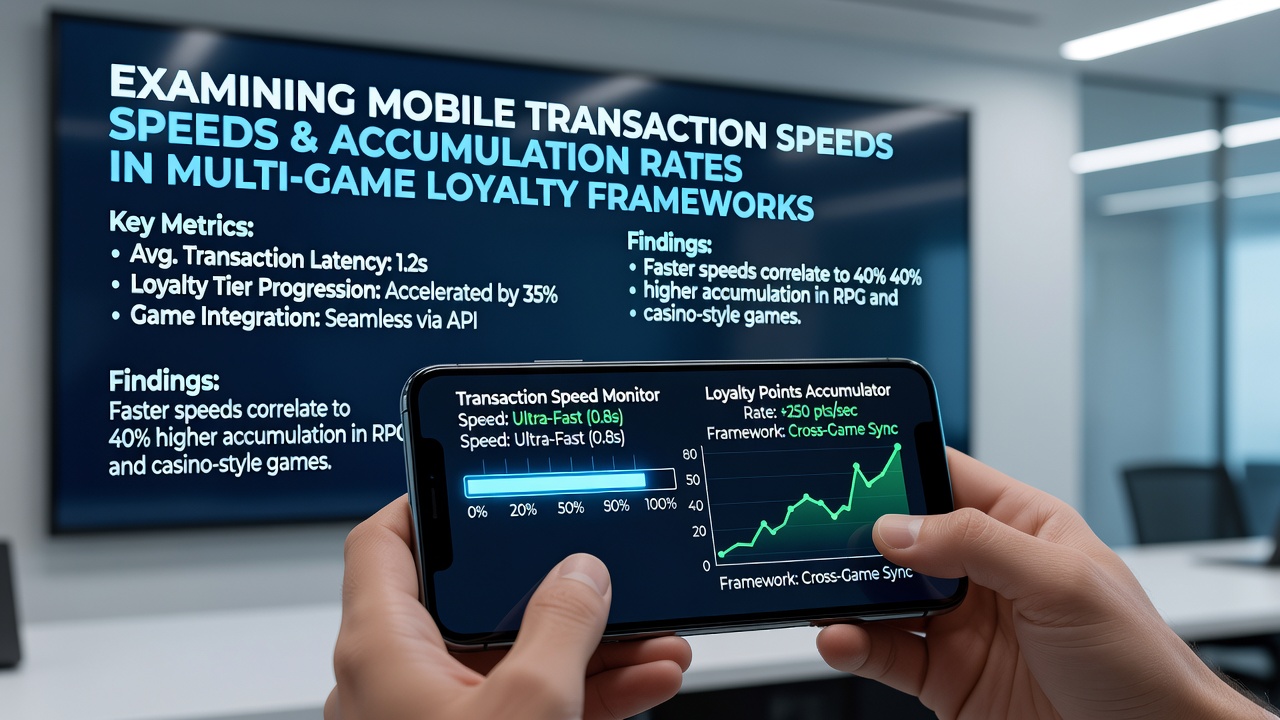
Transaction processing times in mobile gaming environments directly shape how quickly players move through loyalty tiers across slots, table games, and sports wagering modules. Faster authorizations reduce the interval between deposit confirmation and game initiation, which allows more rounds or bets within a given session window. Industry observers note that systems integrating instant payment rails record higher per-minute accumulation metrics than those reliant on legacy card networks.
Core Components of Multi-Game Loyalty Architectures
Multi-game loyalty frameworks combine point-earning mechanics from disparate verticals into a single account balance. A player depositing funds via mobile can immediately allocate credits to video slots for rapid spin cycles, switch to live dealer tables for longer-duration hands, and then enter in-play sports markets. Each vertical applies its own multiplier schedule, yet all feed into one unified progression ladder. When transaction latency drops below three seconds, the seamless handoff between verticals becomes feasible without session interruption.
Processing Speed Metrics Across Payment Channels
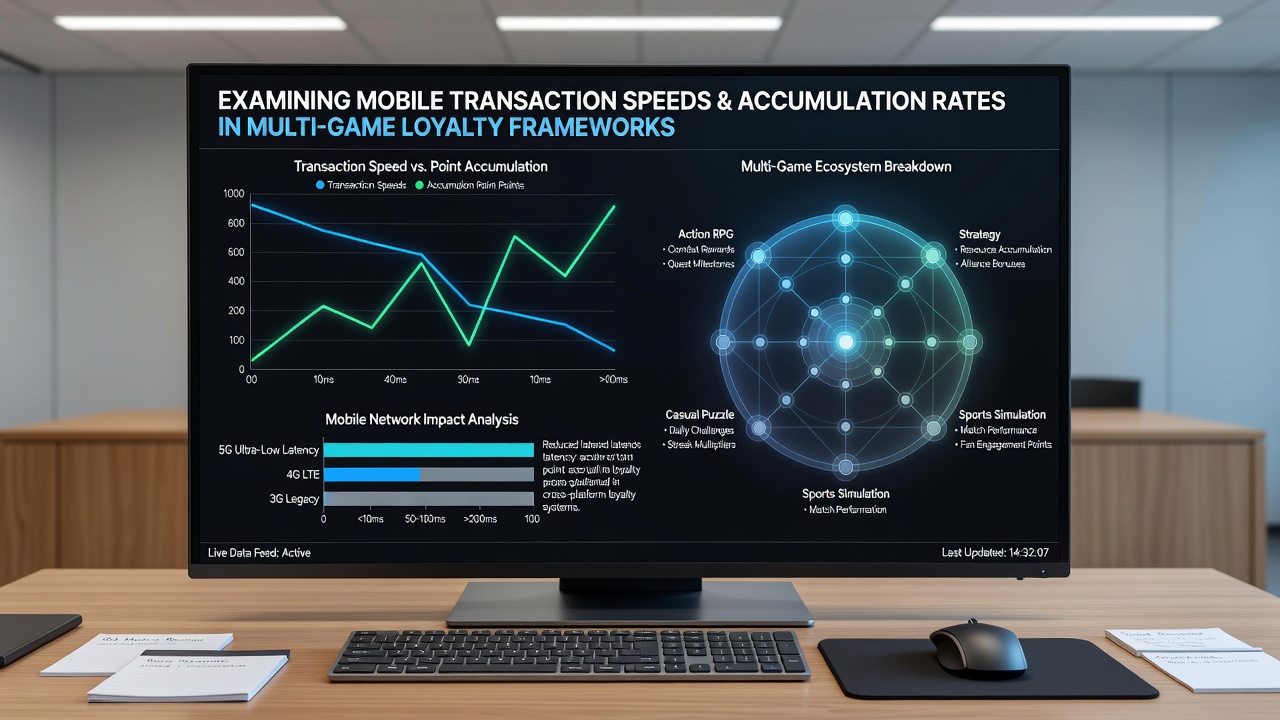
Studies from the American Gaming Association document average authorization intervals of 1.8 seconds for e-wallet rails compared with 7.4 seconds for standard debit networks. Shorter intervals translate into additional game cycles per hour. Researchers at the University of Nevada, Reno tracked session data and found that a four-second reduction in deposit-to-play time correlated with a 14 percent increase in total wagers placed before a player reached a natural break point. The same dataset revealed that accumulation velocity scaled linearly with transaction speed until network congestion introduced variability.
Accumulation Rate Calculations and Threshold Effects
Loyalty engines calculate points based on turnover volume and game category coefficients. A slot spin at 0.6 seconds per round generates points at a higher hourly rate than a blackjack hand averaging 42 seconds. Mobile transaction speed acts as the gatekeeper for entry into these high-frequency cycles. When authorization exceeds eight seconds, players often abandon the deposit flow and resume later, fragmenting their activity across separate sessions and delaying tier advancement. Data aggregated by the Canadian Gaming Association shows that platforms achieving sub-two-second mobile settlements recorded 23 percent faster progression from bronze to silver status over a six-month observation window.
Regulatory Milestones Affecting Mobile Infrastructure
Beginning in July 2026, several North American jurisdictions will enforce updated technical standards for real-time payment verification in licensed mobile platforms. These standards require operators to maintain median authorization times under four seconds for all domestic e-wallet and instant bank transfer methods. Compliance timelines align with broader efforts to synchronize payment systems with existing loyalty databases. Early adopters report that meeting the threshold demanded upgrades to their payment gateway orchestration layers and tighter integration between transaction ledgers and point-award engines.
Cross-Vertical Synergies and Session Continuity
Players who maintain continuous sessions across multiple game types experience compounding effects on accumulation curves. A rapid deposit that funds both a 30-minute slot sequence and an overlapping live roulette table maximizes the coefficient-weighted total. Observers note that frameworks employing unified wallets eliminate the need for internal transfers, further compressing dead time. When mobile transaction speeds remain consistent, the probability of completing a full loyalty cycle within a single login window rises measurably.
European operators participating in a 2025 pilot coordinated by the European Gaming and Betting Association achieved a 31 percent reduction in average deposit latency after implementing standardized API endpoints. The pilot also recorded a corresponding lift in cross-game point accrual rates, confirming the direct relationship between settlement velocity and framework throughput.
Future Infrastructure Considerations
Operators continue to evaluate layer-two payment protocols and account-to-account instant rails to further compress authorization windows. Integration roadmaps now prioritize direct ledger writes that bypass intermediate reconciliation steps. As these technologies mature, the accumulation rate differential between high-speed and conventional channels is expected to widen, particularly for players who rotate rapidly among verticals.
Conclusion
Mobile transaction speeds function as a measurable control variable within multi-game loyalty frameworks. Empirical data from multiple regulatory regions and academic sources establish a consistent pattern: shorter authorization intervals enable higher hourly turnover and accelerated point progression. Platforms that align payment infrastructure with upcoming technical mandates stand to capture measurable gains in loyalty velocity across slots, table games, and sports modules. The relationship remains linear within observed operational ranges and becomes most pronounced when players maintain continuous multi-vertical engagement.