Unlocking Reward Pathways in Portable Gaming Through Layered Transactions
Written by Morgan Lehmann · Jun 23, 2026
Unlocking Reward Pathways in Portable Gaming Through Layered Transactions
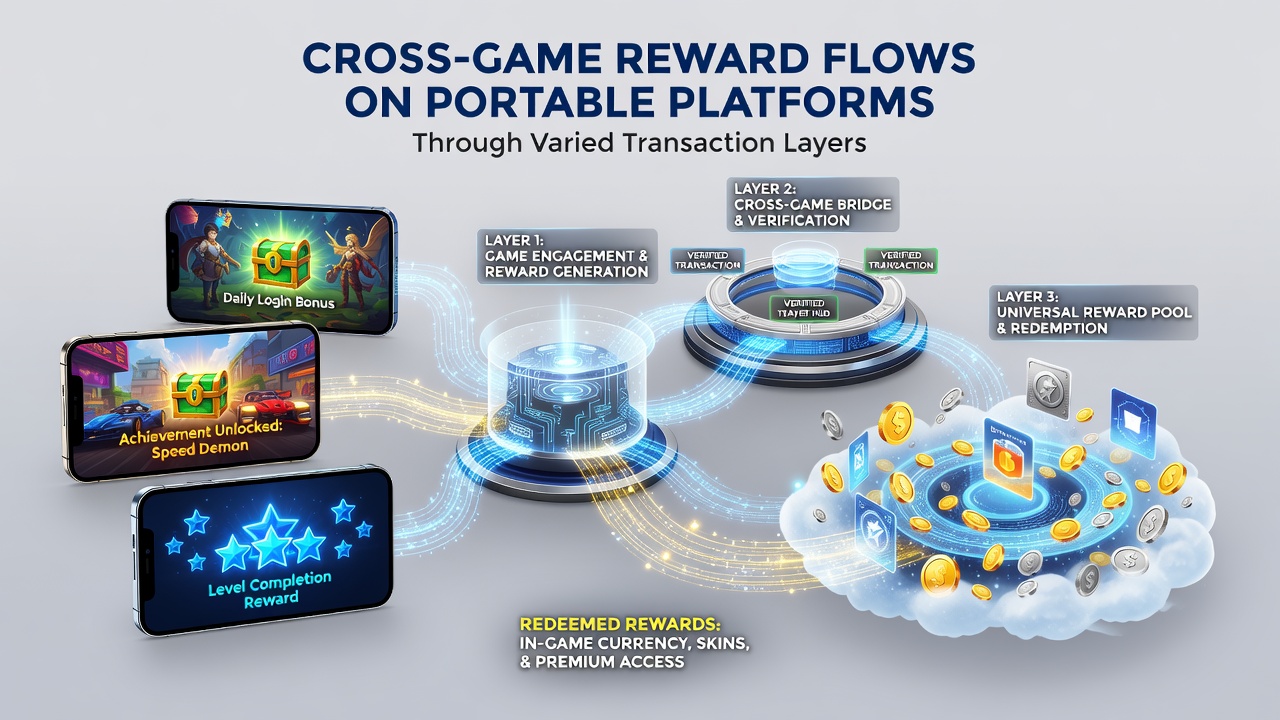
Portable platforms have transformed how reward systems operate across multiple games, and observers note that transaction layers play a central role in directing those flows from one title to another without friction. Data from industry reports shows that mobile applications now handle reward transfers through distinct processing stages, each one adding verification steps before points or bonuses reach their destination. Researchers at academic institutions have documented these pathways in detail, highlighting the sequence that begins at the user interface and extends through payment gateways into centralized reward engines.
Core Transaction Layers on Mobile Devices
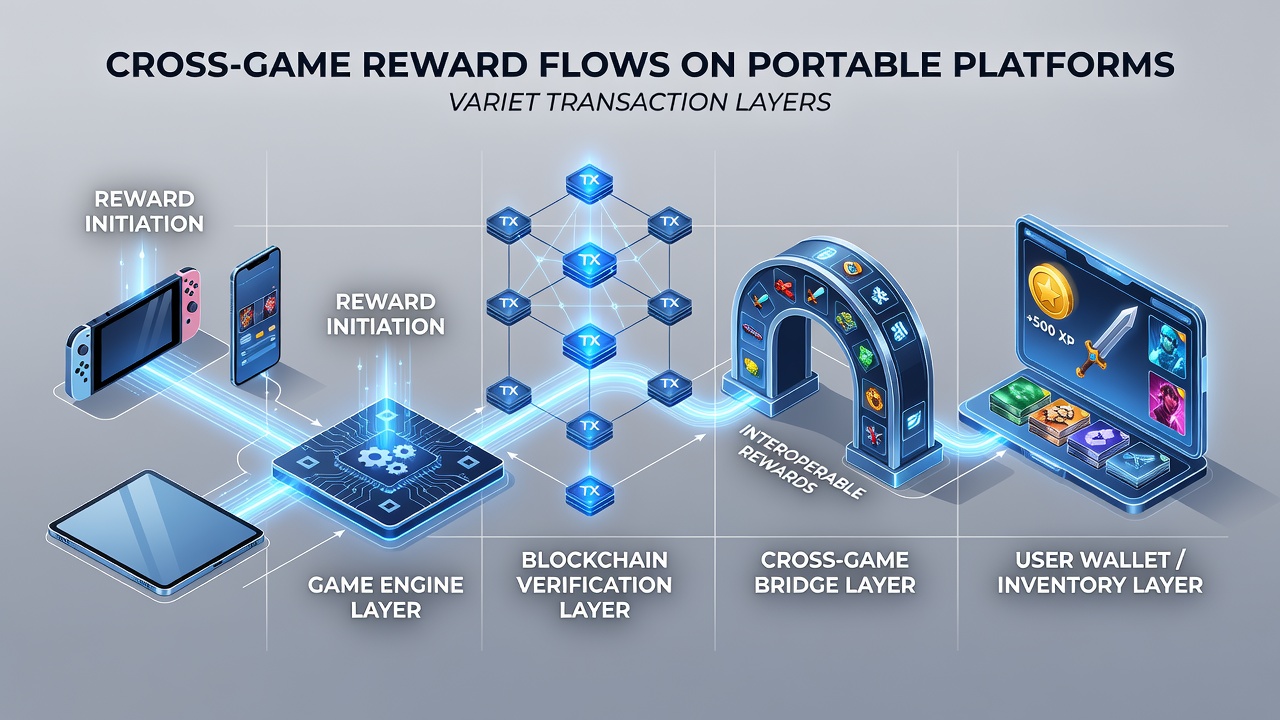
Transaction layers on portable platforms typically include the front-end capture layer, the processing and authorization layer, plus the backend settlement layer, and analysts point out that each stage manages specific data exchanges that affect reward visibility across games. The front-end layer collects user inputs via touch interfaces while the authorization layer validates account details through secure protocols. Settlement occurs when funds or rewards finalize, and this final step often triggers updates visible in multiple game environments simultaneously.
Studies from the University of Nevada Las Vegas Gaming Innovation Lab indicate that seamless reward circulation depends on synchronization between these layers, especially when users switch between slots, table games, and sports modules within the same application. Payment methods such as digital wallets introduce additional variables because they route data through external processors before returning confirmation to the platform's reward database.
Cross-Game Reward Circulation Mechanisms
Cross-game reward flows occur when points earned in one game convert automatically into credits usable elsewhere, and evidence suggests this process relies on unified ledgers maintained at the backend layer. Portable platforms facilitate these transfers by embedding logic that recognizes activity across titles and applies multipliers based on predefined rules. Those who've examined system architectures note that the conversion happens in real time provided the transaction layers remain aligned.
One documented case involved a mobile operator that linked roulette outcomes directly to blackjack progress bars, allowing accumulated rewards to migrate without separate user requests. According to findings published by the International Association of Gaming Regulators, such integrations reduce drop-off rates during gameplay sessions and maintain consistent engagement across the platform's portfolio.
Impact of Varied Payment Channels
Different payment channels influence how quickly rewards propagate through the system, and figures from regulatory bodies in Australia reveal that e-wallet transactions often bypass certain verification delays compared with traditional card routes. This speed difference becomes noticeable when users attempt to move rewards between games immediately after deposit. Platforms that support multiple channels must therefore calibrate their reward engines to account for varying settlement times.
June 2026 marks the scheduled rollout of updated interoperability standards for mobile payment processors in several jurisdictions, and these changes are expected to standardize data formats used across transaction layers. Implementation will allow reward flows to operate more uniformly regardless of the originating payment method.
Portable Platform Adaptations
Portable devices introduce constraints such as intermittent connectivity and smaller processing power, yet developers have engineered fallback mechanisms within each transaction layer to preserve reward integrity. Offline caching at the front-end layer stores pending reward data until reconnection occurs, after which the authorization layer reconciles the records. Observers have recorded fewer discrepancies in reward balances following these adaptations.
Case examples from Canadian provincial gaming authorities demonstrate that platforms optimized for mobile achieve higher cross-game transfer success rates than desktop counterparts, largely because mobile operating systems provide tighter integration with secure element hardware.
Conclusion
Mapping reward pathways across portable platforms requires attention to every transaction layer because each one contributes to the overall movement of incentives between games. Continued evolution in payment technologies and regulatory timelines, including developments set for June 2026, will shape how these systems maintain accuracy and speed. Industry organizations continue to publish data that tracks these patterns across regions, providing benchmarks for future platform refinements.